

27 Jun What Is Culinary Innovation and Food Security? A Business Primer for Japan’s Sustainable Food Economy
Why Food Security Is Now a Business Issue, Not Just a Policy Debate
Food security used to live in policy papers and UN reports. For companies sourcing, selling, or investing in food products connected to Japan, it now belongs in the boardroom.
Japan’s calorie-based food self-sufficiency rate sits at just 38 percent, meaning the country imports roughly 60 percent of the calories its population consumes. That single statistic reshapes risk calculations for any business with a stake in the Japanese food supply chain — from ingredient suppliers and food-tech startups to restaurant groups and packaging manufacturers. When a nation of 125 million people depends this heavily on global agricultural markets, disruptions in trade routes, climate shocks, or geopolitical tensions translate directly into commercial volatility.
The 2024 Rice Shortage: A Wake-Up Call
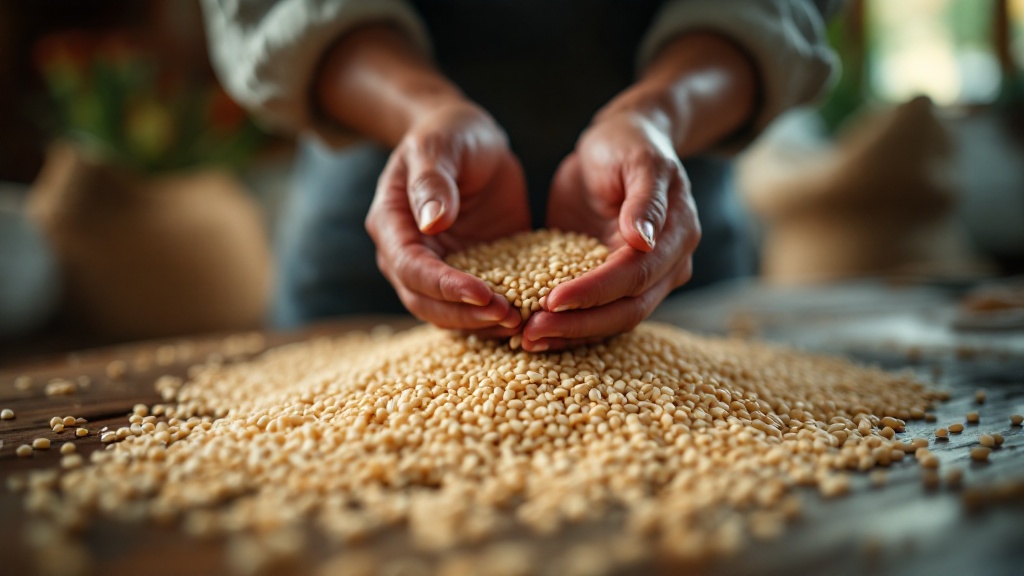
The fragility of this system became painfully visible in the summer of 2024, when Japan experienced a rice shortage that sent prices surging 48 percent year-over-year by September — the steepest rise in 31 years. The paradox was striking: Japan maintains near-100 percent self-sufficiency in rice production. Yet store shelves emptied. The crisis exposed how protectionist policies that prioritize domestic farmer protection over supply chain flexibility can amplify market disruptions even when raw production volume is adequate. For businesses, the lesson was unambiguous — domestic self-sufficiency in a single crop does not equal food security.
A Consumer Awareness Gap with Strategic Implications
Despite rising anxiety around food supply, public understanding remains thin. A 2024 consumer survey found that only 20 percent of Japanese consumers actually understand what food security means. Roughly 30 percent are aware of Japan’s 38 percent self-sufficiency rate. Yet more than 60 percent of respondents believe the country’s food security is not adequately achieved. This gap between emotional concern and factual understanding creates a distinct market environment — one where companies that communicate clearly about supply chain resilience and sustainable sourcing can build meaningful trust with increasingly anxious consumers.
Global Disruptions Accelerate Corporate Attention
Climate volatility, pandemic-era logistics breakdowns, and geopolitical tensions around grain exports from key producing regions have all pushed food security from government agendas into corporate strategy discussions. For SMEs evaluating Japan as a market — whether expanding outward from Japan or entering it from abroad — understanding this shift is foundational. Food security is no longer abstract policy. It is a business constraint, a consumer concern, and an innovation catalyst all at once.
Culinary Innovation Defined: More Than Recipes and Menus
The phrase “culinary innovation” can sound narrow — as if it means inventing new dishes or revising restaurant menus. In a business context, the meaning for companies is far broader and more strategic.
The Five Pillars
Culinary innovation, as it applies to Japan’s sustainable food economy, rests on five interconnected pillars: sustainable agriculture, alternative proteins, food technology, food safety systems, and eco-friendly packaging. Each pillar represents both a market segment and a component of a strategic framework that connects R&D, supply chain management, branding, and regulatory compliance into a single cohesive approach.
A company investing in plant-based protein ingredients, for example, must simultaneously address agricultural sourcing (where do the soybeans come from?), food-tech processing (how is texture and flavor optimized?), food safety compliance (does the product meet Japan’s labeling requirements?), and packaging (does the container align with Japan’s Plastic Resource Circulation Act?). Treating any of these in isolation creates blind spots.
Japan’s Unique Position
Japan occupies a distinctive niche in the global culinary innovation landscape. It blends centuries of washoku tradition — recognized by UNESCO as an Intangible Cultural Heritage — with cutting-edge food technology including AI-driven kitchen systems and cellular agriculture research. This combination is not purely cultural. It is commercially relevant: Japanese food exports reached ¥1.5 trillion ($9.9 billion) in 2024, reflecting growing international demand for products that carry the credibility of Japanese food science and culinary heritage.
Why the Term Matters for B2B Audiences
For business professionals, “culinary innovation and food security” signals something specific: a company’s readiness to address ESG commitments, consumer health expectations, and environmental resilience simultaneously. It moves the conversation past sustainability as a reporting obligation and into sustainability as competitive strategy. To explore DMPJ’s sustainable food consulting is to engage with this integrated approach directly.
Japan’s Sustainable Food Market by the Numbers
Abstract discussion only goes so far. What follows is a quantitative overview of the Japan sustainable food industry that grounds the opportunity in hard data.
| Segment | 2024–2026 Value | Projected Value | Growth Indicator |
|---|---|---|---|
| Smart Agriculture | [¥33.15 billion (2024)](https://www.yano.co.jp/press-release/show/press_id/3740) | ¥78.84 billion by 2030 | 109.9% YoY growth in 2024 |
| Alternative Proteins (Domestic) | [¥1,239 billion (2024)](https://mdb-biz.jmar.co.jp/column/43) | ¥1,473 billion by 2030 | Steady expansion across plant-based, cultivated, and insect-based categories |
| Sustainable Packaging | [$18.71 billion (2025)](https://www.atpress.ne.jp/news/5074805) | $35.04 billion by 2034 | 7.22% CAGR through 2034 |
| Food Safety Products & Testing | [$2.83 billion (2026)](https://www.coherentmarketinsights.com/market-insight/food-safety-testing-market-753) | $4.89 billion by 2033 | Regulatory expansion driving demand |
| Japanese Food Exports | [¥1.5 trillion (2024)](https://www.oecd.org/en/publications/2025/10/agricultural-policy-monitoring-and-evaluation-2025_354e7040/full-report/japan_d94ab3f7.html) | Continued growth trajectory | International demand for Japanese food products |
The broader agritech market tells a similar story. Japan’s agritech sector reached $1,746.5 million in 2025 and is projected to hit $4,265.6 million by 2034, growing at a 10.43% compound annual growth rate. These are not fringe segments. They represent core infrastructure for Japan’s food future.
Who Needs to Pay Attention: Industry Segments Driving Demand
Understanding what culinary innovation and food security means in the abstract is one thing. Knowing which specific industry segments are driving demand — and why — is what matters for investment and market-entry decisions.
Sustainable Agriculture and Farming
Regenerative practices, organic certification pathways, and smart farming technology are accelerating across Japan. The SME Productivity Revolution Programme provides targeted support for technology adoption among agricultural businesses, and government ambitions to expand organic farmland to 25 percent of total agricultural land by 2050 signal sustained policy commitment.
Alternative Proteins and Food Tech
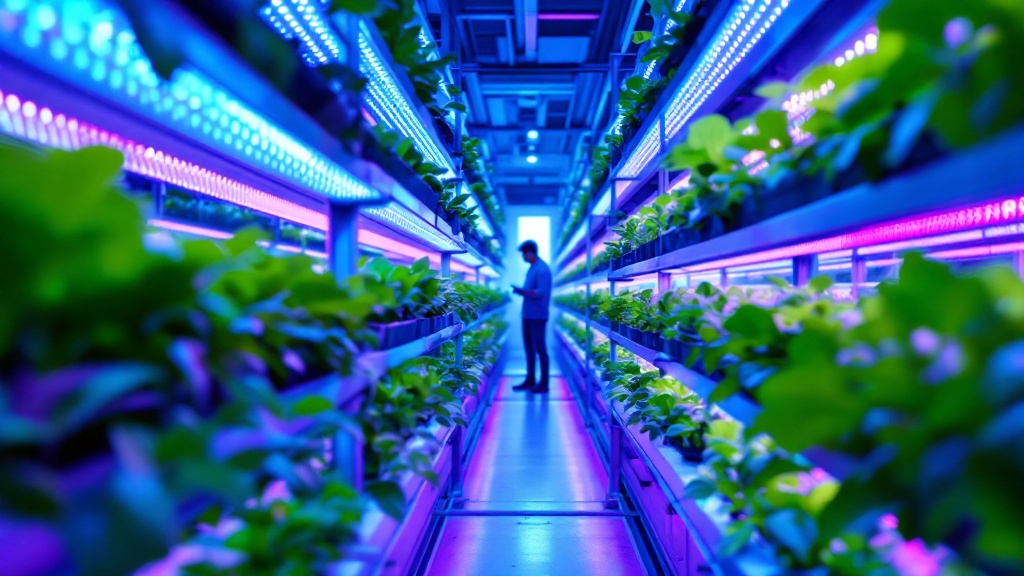
Plant-based, cultivated meat, insect-based, and microalgae-derived products are all gaining traction in Japan. The global plant-based food market reached $64.14 billion in 2025 and is projected to grow at a 14.2% CAGR through 2030. Within Japan, inbound tourism demand has emerged as an unexpected growth driver, as international visitors prove more receptive to trying novel protein products than domestic consumers have been to date.
Hospitality and Gastronomic Tourism
Japan welcomed an estimated 3.62 million international visitors in March 2026 alone, with food experiences consistently ranking as a top travel priority. Gastronomic tourism — defined by Japan’s Tourism Agency as tourism centered on experiencing local foods shaped by regional climate, tradition, and history — connects culinary innovation directly to economic development, particularly in rural areas where food heritage is strongest.
Food Safety and Regulatory Compliance
Japan’s Consumer Affairs Agency expanded mandatory allergen labeling to 29 items effective April 2026. Separately, a new positive list system for food contact materials took effect in June 2025. For companies entering or operating in Japan, compliance is not optional — it is the cost of doing business. The food safety products and testing market reflects this reality, growing steadily toward a projected $4.89 billion by 2033.
Eco-Friendly Packaging and Waste Management
Japan’s Plastic Resource Circulation Act mandates that businesses providing five or more metric tons of plastic products annually take concrete reduction measures. Japan has already made progress on food waste reduction — down to approximately 4.72 million metric tons in 2022 from 6.32 million in 2013 — but regulatory pressure and consumer expectations continue to intensify.
The Opportunity for SMEs: Why Size Can Be an Advantage
Large corporations have resources, but they also carry inertia. In food innovation, SMEs often hold structural advantages that matter more than scale.
Speed Over Scale
Large food companies typically move slowly on alternative proteins, sustainable sourcing pivots, and niche culinary concepts. Internal approval processes, legacy supply chains, and brand risk aversion all create drag. SMEs can iterate faster — testing a plant-based product line in a regional market, piloting regenerative sourcing with a single farm cooperative, or launching a gastronomic tourism concept that a corporate brand committee would debate for months.
Government Programs Designed for SMEs
Japan’s policy infrastructure explicitly targets SME innovation in the food sector. MAFF’s Innovation Promotion Fund awarded ¥26 billion to 25 SME projects, including significant grants to alternative protein startups Umami United (¥917 million) and IntegriCulture (¥1.87 billion). These are not token allocations — they represent serious capital directed at SME-scale food innovation.
| Program | Administering Body | Total Funding | Notable Detail |
|---|---|---|---|
| SME Innovation Promotion Fund | MAFF | ¥26 billion across 25 projects | Includes alt-protein grants of ¥917M–¥1.87B per company |
| Green Innovation Fund | METI / NEDO | ¥2 trillion total fund | Food & agriculture is 1 of 14 priority fields; up to 10-year support |
| SME Productivity Revolution Programme | SME Agency / METI | Varies by project | Subsidizes technology adoption costs for agricultural enterprises |
FoodTech as National Strategic Priority
In November 2025, Japan’s government declared FoodTech a national strategic priority field — placing it alongside AI and quantum technologies. This designation unlocks new funding streams, regulatory fast-tracks, and institutional support that SMEs can access more nimbly than larger competitors burdened by existing operational commitments.
The Cross-Border Opportunity
The opportunity runs in both directions. Japanese SMEs are expanding food culture globally — exporting fermented products, specialty ingredients, and culinary concepts to markets hungry for authentic Japanese food experiences. Simultaneously, foreign SMEs are entering Japan’s premium market, where consumers pay a meaningful premium for products that combine quality with verifiable sustainability credentials. The US-Japan Organic Equivalence Arrangement, updated in January 2026, simplifies market access for certified organic products between the two countries, lowering one of the traditional barriers to cross-border food trade.
For both directions of this exchange, navigating Japan’s regulatory complexity, cultural expectations, and distribution relationships requires specialized expertise — exactly the kind of bilingual, market-specific support that distinguishes effective consulting from generic advice.
Understanding culinary innovation and food security is the first step toward building a resilient, future-ready food business. Whether you are a Japanese company exploring international markets or a foreign firm evaluating Japan entry, DMPJ’s bilingual team brings deep expertise in Japan’s sustainable food industry to help you navigate this evolving landscape. Visit our culinary innovation and food security service page to discover how we can help you turn these market shifts into competitive advantage.
Sorry, the comment form is closed at this time.