

16 Jun Visual Storytelling for Japanese Food Brands: How Photography, Video, and Narrative Drive International Growth
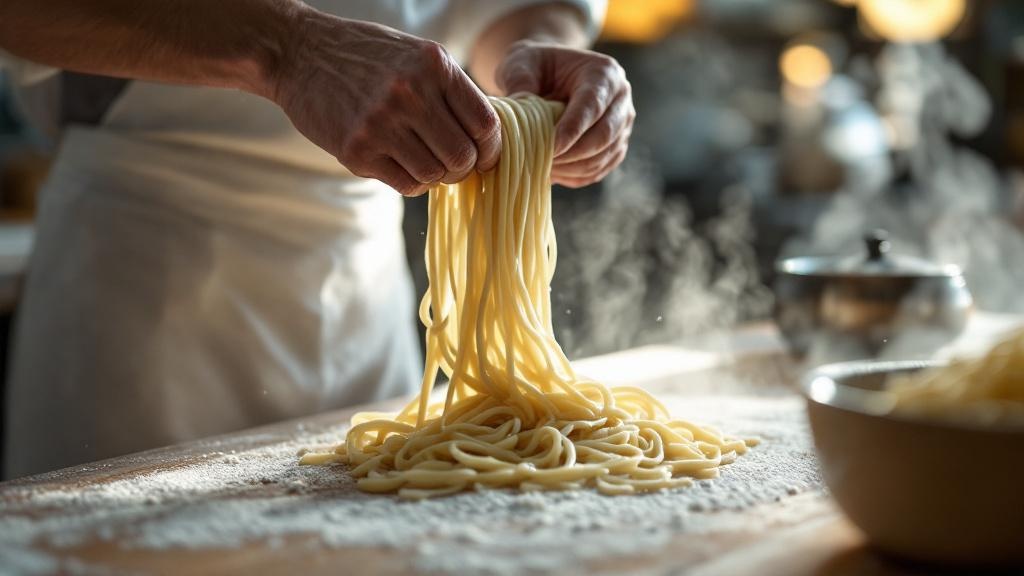
When an international diner considers trying a Japanese restaurant for the first time, the decision almost never starts with a menu. It starts with an image — a close-up of marbled wagyu on a charcoal grill, a reel of a chef pulling handmade soba, a story about a fourth-generation miso producer in rural Nagano. For Japanese food brands competing beyond domestic borders, visual storytelling is not a supplementary marketing channel. It is the primary mechanism through which unfamiliar audiences develop curiosity, trust, and the intent to buy. Here is what the data says about how photography, video, and narrative actually drive growth — and how to build a visual strategy that delivers measurable results.
Why Visual Content Is the Highest-ROI Investment in Food Marketing
The numbers behind visual food content are unusually clear. According to restaurant industry research, 65% of customers say visuals heavily influence where they choose to eat — making imagery the strongest single driver of restaurant selection outside of personal referrals. For Japanese food brands operating in international markets, where potential customers cannot taste the product before committing, this visual influence becomes even more decisive.
The food photography impact on restaurant sales extends directly to revenue. On delivery platforms, professional food photos drive 30 to 70% more orders compared to text-only listings. This is not a rounding error — a restaurant generating $8,000 per month in delivery revenue stands to gain $2,000 to $5,600 in additional monthly sales simply by upgrading from amateur to professional photography.
Video content amplifies the effect further. Restaurants that adopt video-first strategies report 2 to 3 times faster audience growth compared to those relying exclusively on static images. The combination of motion, sound, and storytelling allows food brands to communicate texture, technique, and atmosphere — sensory dimensions that a single photograph cannot capture. Platform algorithms increasingly reward video content with expanded organic reach, making the format both more engaging and more cost-effective per impression than static alternatives.
The compounding effect makes the investment case even stronger. A single professional photo shoot yields assets that work across Google, social media, booking platforms, and physical menus simultaneously. A short-form video can be repurposed from TikTok to Instagram Reels to YouTube Shorts with minimal modification. Unlike paid advertising that stops generating returns the moment spending ceases, visual brand assets continue to attract and convert customers for months after production. For Japanese food brands specifically, visual storytelling serves a dual purpose: it sells the immediate product while educating international audiences about the cultural depth behind it — the kind of differentiation that resists commoditization.
Professional Food Photography: What the Data Says
Platform-Specific Impact
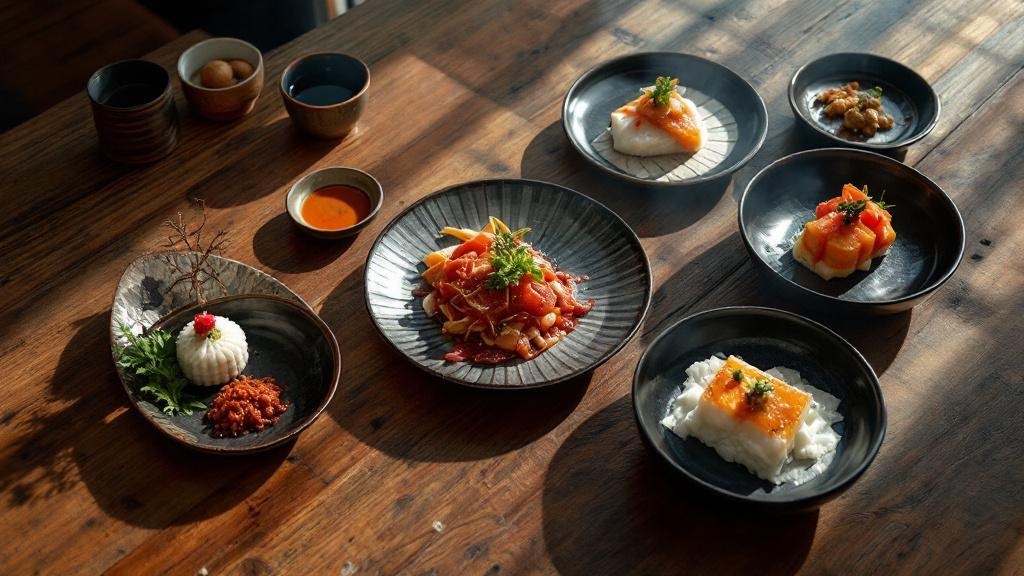
The business case for professional food photography is now supported by concrete data across the world’s largest delivery platforms.
GrubHub reports the most dramatic effect: restaurants with professional food photos receive 30 to 70% more online orders than text-only listings. Deliveroo data shows a 24% sales boost for establishments that implement professional imagery, while DoorDash reports 15% higher delivery volume for merchants with professional photos. These figures come from platform-level analyses comparing performance across thousands of restaurant listings, making them among the most reliable benchmarks available in food marketing.
Google Business Profile: Visibility Through Freshness
For restaurants with a physical location, Google Business Profile is the most consequential piece of digital real estate. 76% of people who search for something nearby on their smartphone visit a related business within 24 hours — an urgency that makes profile optimization a direct revenue driver rather than an abstract SEO exercise.
Freshness matters. Restaurants that upload new photos at least every 30 days maintain stronger search visibility than those with static profiles, and listings that go stale experience measurable ranking drops. Interior shots should showcase ambiance during peak hours, food photography should demonstrate professional plating that creates appetite appeal, and behind-the-scenes content featuring kitchen preparation builds credibility. For Japanese restaurants in tourist areas competing for inbound visitor traffic, this monthly photo refresh cadence is a minimum standard for maintaining discoverability.
The Quality Threshold
Not all food photography generates equal trust. Google’s own guidance and consumer behavior data consistently show that well-lit, in-focus, reality-based images outperform stock photos and AI-generated content for building credibility. Consumers respond to images that look like what they will actually receive — professional quality that honestly represents the real dining experience, not an idealized version of it.
The practical standard: professional execution does not require extravagance. It requires good lighting, honest representation, and regular updates.
Video and Short-Form Content: Platform Benchmarks for Food Brands
Short-form video has become the dominant format for food brand discovery, and Japanese food videography and brand growth are now tightly linked to platform-specific strategy. Three platforms lead the landscape, each with distinct strengths.
| Platform | Avg. Views per Food Video | Key Engagement Metric | Audience Strength |
|---|---|---|---|
| TikTok | 220,800 | 2.63% median engagement; 21% monthly follower growth | Under 35; 70% of Gen Z cite as top food source |
| Instagram Reels | 135,200 | Strongest discovery-to-action conversion | 60% of consumers use it to find restaurants |
| YouTube Shorts | Dominant reach | Outperforms TikTok and Reels in monthly usage, ages 13–54 | Broadest demographic spread |
TikTok: Speed and Scale
TikTok delivers the largest raw audience for food content, with food videos averaging 220,800 views per post — substantially more than any competing platform. The platform’s 2.63% median engagement rate outperforms Instagram, Facebook, and Twitter by significant margins, and brand accounts see a median monthly follower growth of 21%.
The audience skews younger: 70% of Gen Z identify TikTok as their most valuable platform for food recommendations. Adoption among restaurants has accelerated rapidly, nearly doubling from 26% in 2023 to 48% in 2024, signaling that the platform has moved from experimental to essential. For Japanese food brands targeting the next generation of international diners, TikTok presence is close to mandatory.
Instagram Reels: The Discovery Engine
Instagram Reels average 135,200 views per food video and benefit from the platform’s integrated restaurant discovery features. Approximately 60% of consumers use Instagram to find new restaurants, making it the strongest all-around platform for connecting food content to dining decisions. For visual storytelling aimed at Japanese food brands, Instagram’s combination of reach and intent is hard to match.
YouTube Shorts: Broadest Demographic Reach
YouTube Shorts have emerged as the dominant short-form video format for audiences aged 13 to 54, outperforming both TikTok and Instagram Reels in monthly usage across broad demographics. With 70% of YouTube channels now uploading Shorts regularly, the format has achieved critical mass. Its integration with Google Search creates a discovery advantage standalone social platforms cannot replicate — a searcher looking for “best ramen in Tokyo” may encounter a YouTube Short directly in search results. For Japanese food brands targeting working professionals and family travelers, YouTube Shorts offer the widest demographic net.
Authenticity Outperforms Polish
Across all three platforms, one finding holds consistently: behind-the-scenes and preparation videos outperform polished product shots in engagement. Audiences respond more strongly to footage of a chef breaking down a tuna, a kitchen team preparing morning dashi, or the controlled energy of dinner service than to perfectly styled hero images. This preference for authenticity gives smaller, independent Japanese food brands a structural advantage — their genuine stories are more compelling than the produced content of larger competitors with bigger budgets but thinner narratives.
Culinary Storytelling: The Emotional Layer That Drives Purchase Intent
Visual content captures attention. Culinary storytelling — the narrative explaining why a dish exists, where its ingredients come from, and who stands behind the preparation — converts that attention into purchase intent. This emotional layer is where culinary storytelling for international food marketing becomes measurably powerful.
The Statistical Case for Narrative
Research on sustainable brand storytelling demonstrates that narrative quality predicts 45% of the variance in consumer purchase intentions (β = 0.67, p < 0.001). Nearly half of whether a consumer decides to buy can be explained by how effectively a brand tells its story — not by price, not by convenience, but by the strength and authenticity of the narrative itself.
Storytelling Unlocks Price Premiums
The commercial implications are direct. 78% of consumers report they will pay more for products marketed as natural or all-natural — and storytelling is the mechanism that communicates naturalness to audiences who cannot inspect the product firsthand. Ingredient origin stories (“our dashi is made from kombu hand-harvested off the Hokkaido coast”), chef profiles (“third-generation tofu maker in Kyoto”), and production process narratives (“48-hour fermentation at controlled temperature”) transform functional product attributes into emotional value propositions that justify premium pricing.
These are not manufactured marketing constructs for Japanese food brands — they reflect genuine heritage, technique, and place that international consumers increasingly seek out. The challenge is not invention; it is articulation. Most Japanese food producers have rich stories that have never been formally captured, photographed, or translated for international audiences.
The Ethical Consumerism Multiplier
Not all audiences respond equally. The same research found that ethical consumerism significantly moderates the storytelling-to-purchase relationship — values-conscious consumers are measurably more influenced by authentic brand narratives than less ethically motivated buyers. For Japanese food brands emphasizing sustainable sourcing, traditional techniques, and regional agricultural heritage, the right audience will respond disproportionately well to honest storytelling.
This intersection of culinary narrative, sustainability, and measurable business impact is central to DMPJ’s creative culinary storytelling approach, which builds brand narratives rooted in the specific cultural and agricultural heritage of each client.
Case Snapshots: Small Japanese Food Businesses Using Visual Storytelling
Shoki Ramen House
When this family-owned ramen restaurant prepared to reopen, the team invested in a professional video campaign built around nostalgia and community connection. A single Instagram video generated 7,400 views and more than 800 likes — extraordinary engagement for a small, local operation. Within just 20 minutes of posting, the video had already reached 400 views and 100 likes, demonstrating the velocity that professional visual content can achieve even without paid promotion. The campaign proved that viral marketing is accessible to independent restaurants willing to invest in authentic, emotionally resonant video storytelling.
Natural Japan Eats
Chihiro M., the founder of Natural Japan Eats, produces plant-based mochi and vegan sushi — products at the intersection of Japanese tradition and contemporary dietary trends. Rather than relying on smartphone snapshots, she invested in a professional commercial photography session designed to capture both her food and her personal brand story. The resulting image library gave her website and social media a cohesive visual identity that communicates the quality and intentionality behind her products — a critical investment for a specialty food brand carving out space in a competitive market.
BYO Co.
BYO Co. has built its international positioning around food traceability storytelling and English-language narrative. The restaurant helps international guests understand where their food originates and the cultural significance of specific dishes and ingredients — acknowledging that “very few players in Japan have achieved a traceability level that truly resonates with customers.” By making supply chain transparency a core part of the dining experience rather than an afterthought, BYO Co. demonstrates how culinary storytelling creates differentiation that larger, less story-driven competitors struggle to replicate.
Toyama Black Ramen
Starting from a single regional restaurant, Nishicho Taiki, Toyama Black Ramen used exhibition-based visual marketing to achieve national distribution. The brand actively participated in ramen theme parks and product exhibitions across Japan, using experiential visual presentation to educate consumers about a regional specialty most had never encountered. That education converted into nationwide business expansion — proof that professional visual marketing can transform a local operation into a nationally recognized brand.
Building Your Visual Storytelling Playbook
| Step | What to Do | Why It Works |
|---|---|---|
| Build your photo library | 30–50 professional images: hero dishes, ingredients, kitchen process, team | Foundation for all digital touchpoints; 20–140% ROI |
| Add monthly video | 3–4 short-form posts per week on TikTok, Reels, or Shorts | Outperforms daily posting; 2–3× faster audience growth |
| Develop your origin narrative | Define what makes your food, region, or technique worth a story | Predicts up to 45% of purchase intent variation |
| Integrate across channels | Deploy visuals on Google, social, booking platforms, and physical menus | Consistent brand recognition builds trust at every touchpoint |
Start with a Professional Photo Library
Before investing in video or influencer campaigns, build a foundation: 30 to 50 professional images covering hero dishes, key ingredients, kitchen processes, and team members. This library becomes the visual backbone of everything from Google Business Profile to booking platforms to social posts. Professional food photography sessions typically cost $500 to $2,500, with the resulting images generating 20 to 140% ROI over a 5- to 10-month payback period.
Add Monthly Short-Form Video
Consistency matters more than volume. Research confirms that 3 to 4 quality posts per week outperforms daily posting for engagement — algorithm fatigue is real, and strategic spacing allows each piece of content to reach its full audience. Focus on preparation footage, ingredient stories, and team moments rather than heavily produced commercials. The authenticity that resonates most with audiences is often the same content that is least expensive to produce.
Develop Your Origin Narrative
Every Japanese food brand has a story worth telling. The question is whether it has been articulated clearly enough for an international audience to understand and care about. What makes your food, your region, or your technique worth a story? A third-generation tofu maker in Kyoto and a modern izakaya in Osaka will answer differently — but both answers can drive meaningful differentiation and price premiums in international markets.
Integrate Visuals Across All Touchpoints
Professional visual content should not live only on Instagram. Integrate your best imagery and video across every surface where potential customers encounter your brand — Google Business Profile, social media platforms, booking and reservation systems, and even physical menus. Consistency across touchpoints builds recognition and trust, while fragmentation undermines the brand narrative you have invested in building.
For brands ready to develop a comprehensive visual identity grounded in Japanese food culture, professional food photography and videography from DMPJ provides the full scope — from initial photo library creation through ongoing video content and narrative development.
Great visual storytelling starts with understanding what makes your food worth talking about — and then capturing it with the right expertise. DMPJ’s visual storytelling team combines professional food photography, videography, and narrative development to help Japanese food brands connect with audiences worldwide. Discover how DMPJ’s creative culinary storytelling services can elevate your brand.
Sorry, the comment form is closed at this time.