
05 Jun How to Plan Your First Japan Cultural Exchange Project: A Step-by-Step Playbook for SMEs
Japan welcomed a record 36.9 million international visitors in 2024 — and a growing share of that interest is driven by culture, not just tourism. The country’s cultural tourism market is projected to nearly double by 2035, and organizations from museums to mid-size brands are finding that well-designed cultural exchange projects open doors that conventional marketing cannot.
Yet for most SME leaders, the question isn’t whether a Japan cultural collaboration planning guide would be useful — it’s where to start. International art exchange projects involve unfamiliar institutions, bilingual logistics, specialized permits, and budget line items that don’t appear in any domestic marketing plan.
This playbook walks you through the entire process in four phases, from defining business objectives to measuring outcomes and building a lasting partnership pipeline. Whether you’re exploring an artist residency, a co-curated exhibition, or a festival collaboration, the framework below gives you a concrete, sequential path to your first successful project.
Before You Begin: Defining Your Business Objectives for Cultural Exchange
Map the Exchange to a Specific Business Goal
Cultural exchange projects can serve a range of strategic purposes — market entry, brand positioning in a new region, talent development for a creative team, or building partnerships with Japanese institutions. The critical first step is choosing one primary objective and designing the program around it. A project meant to introduce your brand to Japanese consumers looks fundamentally different from one designed to build supply-chain relationships with traditional craft producers.
Research on international cultural programs consistently shows that bilateral projects with clearly articulated goals outperform loosely defined “cultural goodwill” initiatives. When the American Alliance of Museums evaluated its Museums Connect program, the projects with the strongest outcomes were those where both sides entered with defined institutional objectives — not just artistic aspirations.
Identify Your Target Audience on Both Sides
Every exchange has two audiences: the one at home and the one in Japan. A European fashion SME collaborating with a Kyoto textile workshop might be targeting Japanese wholesale buyers on one side and European press on the other. Clarifying both audiences early shapes decisions about format, language, venue, and promotional strategy.
Set Measurable Success Criteria
Before designing the program, establish what “success” means in terms your CFO can evaluate. Metrics might include the number of qualified partnerships formed, media impressions in target markets, direct revenue attributed to the exchange, or internal capabilities developed. A 2024 survey found that 78.3% of Japanese respondents believe international cultural exchange has a positive economic impact — but capturing that value requires defining KPIs upfront rather than retrofitting them afterward.
Align Internal Stakeholders Early
Marketing, finance, and senior leadership each view the investment differently. Marketing sees brand opportunity; finance sees a line item without guaranteed return; leadership evaluates strategic fit. Bring all three into the conversation during the planning stage, not after the budget request. Present the exchange as a strategic investment — the global cross-cultural training market alone is projected to exceed $22.6 billion by 2026, signaling broad corporate recognition that cross-cultural capability drives business value.
Phase 1: Research and Partner Identification (Months 1–3)
Identify Japanese Institutions Aligned With Your Objectives
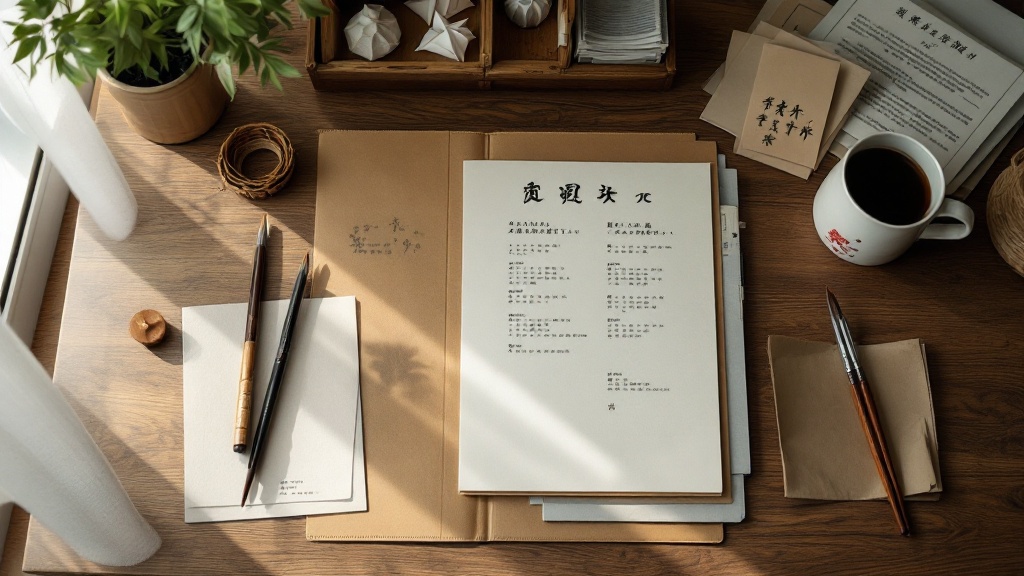
Japan has over 5,600 registered museums and thousands of cultural organizations, festivals, and educational institutions. Narrowing the field starts with your business objective. If your goal is brand positioning through contemporary art, focus on galleries and art fairs like Art Collaboration Kyoto. If it’s educational partnership, look at university exchange offices and performing arts centers like the Kyoto Art Center, which runs structured international residency programs.
Leverage Existing Networks
You don’t need to build connections from scratch. The Japan Foundation maintains extensive partner databases and regularly publishes calls for international collaboration. JETRO offers business matching services for SMEs entering the Japanese market. Trade associations in your sector and Japanese embassy cultural attachés are also underused resources for initial introductions.
Programs like the ARCUS Project Exchange Residency have formalized partnerships with institutions in Taiwan, Scotland, and South Korea — demonstrating the kind of structured bilateral frameworks that exist and can serve as models for your own approach.
Conduct Cultural Due Diligence
Not every institution that looks impressive on paper is the right fit for an SME-scale collaboration. Research a potential partner’s decision-making timeline (Japanese cultural institutions often require 12–18 months of lead time), their track record with international projects, and their organizational structure. Harvard’s Program on Negotiation emphasizes that understanding a partner’s cultural context — including hierarchy, consensus-building habits, and communication norms — is a prerequisite for productive collaboration, not an afterthought.
Begin With Introductions, Not Cold Outreach
In Japan, relationships typically precede transactions. A warm introduction through a mutual contact, an embassy referral, or an existing network connection carries far more weight than a cold email. Invest time in attending relevant events, joining cultural exchange forums, and requesting formal introductions through organizations like the Japan Foundation. This relationship-first approach is common across Japanese distribution and partnership models and directly applies to cultural projects.
Phase 2: Program Design and Budgeting (Months 3–5)
Choose the Format
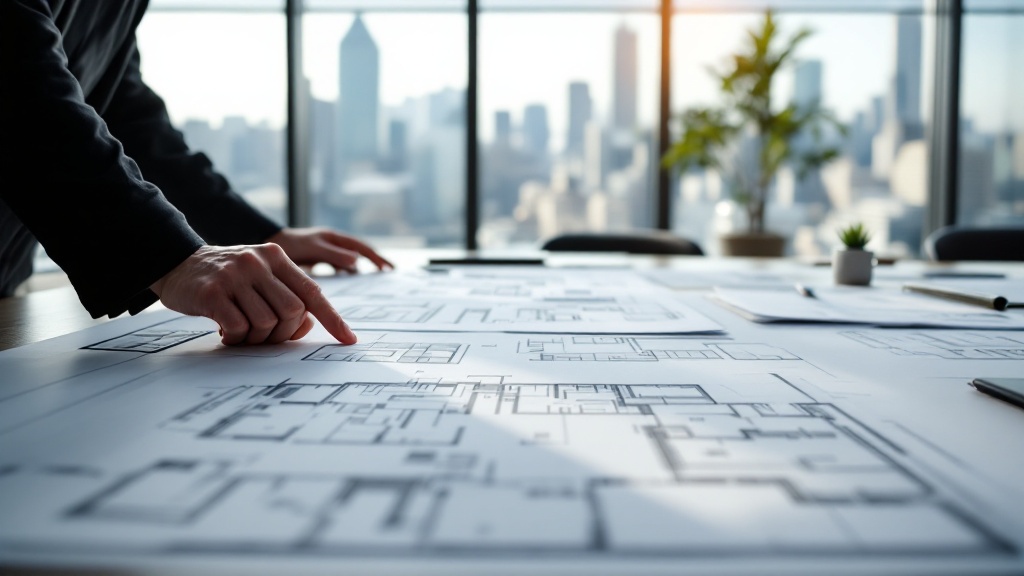
Your format should follow from your objective. A starting cross-border cultural program with Japan might take several forms:
- Artist residency: A Japanese or international artist works at a partner institution for weeks or months, creating new work and building institutional connections.
- Co-curated exhibition: Both partners share curatorial authority over a joint exhibition shown in one or both countries.
- Educational workshop: A structured learning exchange targeting students, professionals, or community members.
- Festival participation: Exhibiting or performing at an existing Japanese cultural festival.
- Co-production: Jointly developing a creative work (film, performance, publication) for shared audiences.
Each format carries different cost profiles, timelines, and partnership dynamics. A first international art exchange step by step typically starts with the lightest-touch option — a workshop or festival appearance — before scaling to co-productions that require deeper trust.
Build the Budget With Japan-Specific Cost Factors
Japan-specific costs often surprise first-time planners. Venue rental in Tokyo can run two to five times higher than comparable European cities. Professional interpreting runs ¥30,000–80,000 ($210–$550) per half day. Art shipping with proper insurance involves specialized logistics firms, and visa processing for performing artists or workshop leaders requires lead times of 8–12 weeks.
Understand the Budget Ranges
Budget expectations vary widely depending on scope. A useful framework for your cultural exchange project planning checklist:
| Program Scale | Budget Range (¥) | Budget Range (USD) | Typical Formats |
|---|---|---|---|
| **Pilot** | ¥2–5M | $14,000–35,000 | Single workshop, small exhibition, one-way artist exchange |
| **Mid-Scale** | ¥5–20M | $35,000–140,000 | Co-curated exhibition, multi-day festival program, bilateral residency |
| **Strategic** | ¥20M+ | $140,000+ | Multi-city touring program, multi-year partnership, annual exchange series |
Most first-time projects fall in the pilot range. Starting small lets you validate the partnership, test logistics, and build the internal case for larger investments. Organizations offering Japan cultural exchange planning support from DMPJ can help you right-size the budget to your objectives while avoiding the cost surprises that derail first-time projects.
Identify Applicable Government Grants
Several public funding programs can offset 30–70% of project costs. The most relevant for SMEs:
| Program | Administering Body | Typical Award | Key Details |
|---|---|---|---|
| Grant for Dispatching Artists & Cultural Specialists | [Japan Foundation](https://www.jpf.go.jp/e/program/culture.html) | 50–70% of project costs (up to ~¥4M) | Annual cycle; December deadline; covers travel, fees, production |
| Creation & International Exchange Grants | [Arts Council Tokyo](https://www.artscouncil-tokyo.jp/en/grants/) | ¥500K–4M | Multiple categories; Tokyo-based applicants; includes international exchange component |
| [EU-Japan Fest Mobility Support](https://on-the-move.org/news/eu-japan-fest-mobility-support-2026) | EU-Japan Fest Committee | ¥50,000–150,000 | Travel support for research/planning with European Capitals of Culture |
| Creative Exchange Partnership | [US-Japan Foundation](https://us-jf.org/en/grants-awarded-2025q1) | Up to $50,000 | Requires matched contribution from US partner organization |
| Individual Fellowships | [Asian Cultural Council](https://www.asianculturalcouncil.org/grant-opportunities) | $25,000–50,000 | For individual professionals; 3–12 month immersive exchange |
Japan’s Agency for Cultural Affairs also channels substantial funding through implementing organizations, with its 2025 budget allocating increased resources specifically to programs with SME capacity-building components. Application cycles vary, but most major programs operate on annual deadlines between October and February.
Phase 3: Execution and On-the-Ground Coordination (Months 5–8)
Secure Bilingual Coordination
This is where many first-time projects stumble. Every communication with Japanese partners — from contract negotiations to event-day logistics — needs someone who operates fluently in both languages and both business cultures. This goes beyond translation. A bilingual coordinator understands when a Japanese partner’s polite deflection is a soft “no,” how to structure proposals for consensus-driven decision-making, and which formalities are essential versus optional.
Professional interpreting for multi-day events typically costs ¥50,000–150,000 per day depending on specialization. For projects requiring sustained coordination over months, a dedicated bilingual project manager is more cost-effective than per-diem interpreters and produces better outcomes.
Handle Logistics Methodically
On-the-ground execution in Japan requires attention to details that may not feature in your usual project management playbook:
- Venue contracts often require deposits 6–12 months in advance, with specific rules about setup times, noise levels, and catering.
- Equipment standards differ; electrical specifications, display hardware, and audio systems may not match what you’re used to.
- Accommodation for visiting artists or staff should be arranged with attention to proximity to the venue, dietary requirements (including halal, vegetarian, and allergy accommodations), and access to public transit.
- Local transportation between venues, partner institutions, and cultural sites requires careful scheduling — Japan’s rail system is precise, and building itineraries around train timetables saves significant time.
Manage Regulatory Compliance
International art exchange involves regulatory requirements that are easy to underestimate. Art import and export may require customs permits and condition reports. Performers entering Japan on tourist visas cannot legally receive compensation — they need “Entertainment” or “Cultural Activities” visa categories, each with different processing timelines. Insurance coverage must explicitly include international transit, exhibition liability, and — for live events — public liability in Japan. Working with a coordinator experienced in Japanese regulatory requirements prevents delays that can cascade into costly problems.
Plan for Hybrid Elements
Even primarily in-person projects benefit from digital extensions. Live-streaming key events expands your audience reach at marginal cost. Digital archives of the exchange serve both as marketing assets and as documentation for future grant applications. Virtual collaboration spaces — shared project boards, video check-ins, recorded workshops — maintain momentum during the months between in-person activities. Organizations like the Hokuriku Region Dance Festival have demonstrated that hybrid programming not only broadens impact but also strengthens the case for sustained funding by providing documented digital engagement metrics alongside physical attendance data.
Phase 4: Evaluation and Relationship Continuity (Months 8–12)
Measure Outcomes Against Predefined KPIs
Return to the success criteria you established in the planning phase. Track quantitative metrics — partnerships initiated, media mentions by region, audience attendance, direct inquiries or sales — alongside qualitative outcomes like stakeholder feedback and partnership quality assessments. Evaluation should distinguish between outputs (what you did) and outcomes (what changed as a result). An exhibition that drew 2,000 visitors is an output; three wholesale partnerships and a Japanese distributor inquiry that emerged from those visits are outcomes.
Document the Project Thoroughly
Comprehensive documentation serves three functions: it satisfies reporting requirements for grant funders, it provides material for internal ROI reporting, and it becomes the foundation for future funding applications. Capture high-resolution photography and video, collect written testimonials from partners and participants, and compile financial records showing actual versus projected costs. Japan Foundation and Arts Council Tokyo both require post-project reporting that can be repurposed for these internal and external needs.
Convert the Exchange Into an Ongoing Relationship
The most valuable outcome of a first project isn’t the event itself — it’s the relationship infrastructure you’ve built. Schedule follow-up meetings with Japanese partners within 30 days of project completion. Propose concrete next steps: a return visit, a second-phase project, or a joint application for larger funding. Maintain a regular communication cadence — quarterly updates, seasonal greetings, sharing of relevant news — that keeps the relationship active between formal projects. Research on cultural diplomacy in East Asia consistently shows that sustained engagement produces compounding returns, while one-off exchanges rarely generate lasting strategic value.
Apply Lessons Learned to Design the Next Project
Every first project surfaces surprises — a cost category you underestimated, a regulatory process that took longer than expected, a format that resonated more strongly than anticipated. Conduct a structured debrief with your team and your Japanese partners, documenting specific lessons that should inform the next iteration. The goal is to reduce risk and increase impact with each successive project, moving along the scale from pilot to mid-scale to strategic partnership. Through DMPJ’s cultural exchange program coordination, many SMEs find that a professionally managed first project shortens this learning curve substantially, positioning them to run larger, more ambitious exchanges within 12–18 months of their initial engagement.
Planning your first cultural exchange project with Japan doesn’t have to be overwhelming. DMPJ’s International Art and Culture Exchange team handles partner identification, budgeting, logistics, and follow-through so you can focus on your business objectives. Visit our service page to start a conversation about your project.
Sorry, the comment form is closed at this time.