

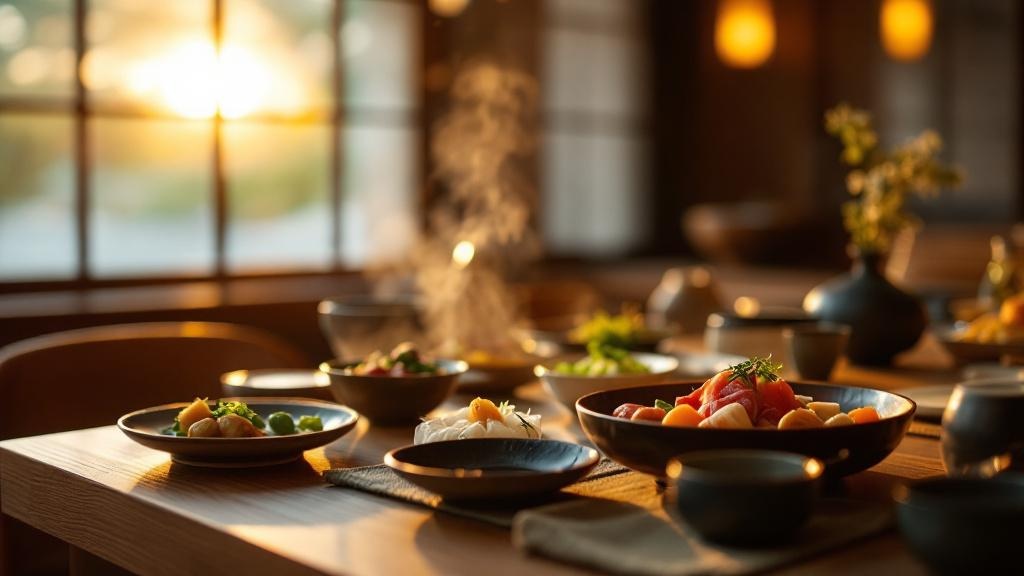
16 Jun How to Build an Inbound Food Tourism Marketing Strategy for Japan in 2026
How to Build an Inbound Food Tourism Marketing Strategy for Japan in 2026
Japan’s restaurant industry is experiencing a transformation driven by international visitors who arrive hungry — not just for sushi and ramen, but for the full depth of regional culinary heritage. For restaurant operators, food producers, and hospitality businesses, the question is no longer whether to pursue inbound diners. It is how to build a culinary tourism marketing plan for Japan in 2026 that systematically converts international curiosity into reservations, repeat visits, and revenue.
This five-step playbook covers the essential components of an inbound food tourism marketing strategy for Japan: assessing your operational readiness, developing a culinary narrative that resonates abroad, activating the digital channels where foreign visitors actually discover restaurants, partnering with influencers who drive real engagement, and building a measurement framework that lets you scale what works.
The Inbound Food Tourism Opportunity by the Numbers
The data supporting investment in food experience marketing for inbound visitors is difficult to ignore. According to TableCheck, Japan’s restaurant industry has achieved a 279.6% increase in reservations since 2019, with international visitors driving a disproportionate share of that growth. Reservations from abroad have risen to 1.9 times their 2019 levels and continue climbing.
The spending patterns are equally compelling. Inbound visitors allocate approximately 50,000 yen per person on dining during their stay — a substantial share of the average 229,000 yen total trip budget that positions food alongside accommodation as a primary spending category. Visitors are making deliberate choices about where and what they eat, and they are willing to pay for it.
The broader market trajectory reinforces the long-term case. Global culinary tourism is projected to grow from $7.34 billion in 2025 to $23.58 billion by 2034, a 13.84% compound annual growth rate driven by experiential travel preferences, regional food trail development, and technology-enabled discovery.
Yet roughly 70% of Japanese restaurants are failing to capture their proportional share of this inbound demand. The gap between the restaurants that have built inbound-ready operations and those that haven’t is widening. The steps below address how to close it.
Step 1 — Audit Your International Readiness
Before investing in marketing, ensure your operation can actually serve the visitors you attract. An inbound food tourism marketing strategy for Japan starts with infrastructure, not promotion.
Multilingual Menu and Booking Infrastructure
A visitor who cannot read your menu or reserve a table online will move to a competitor who makes both easy. At minimum, provide an English-language menu with clear descriptions — not word-for-word translations, but contextual explanations that help a first-time visitor understand what they are ordering and why it matters. For high-traffic nationalities (Chinese, Korean, Thai), consider additional language support or QR-code-based digital menus that auto-detect device language.
Booking infrastructure is equally critical. Restaurants that enable pre-trip reservation through international platforms — what the Japanese industry calls “旅マエ予約” — consistently outperform walk-in-only establishments in capturing inbound demand. This means integration with reservation platforms accessible outside Japan, including the Tabelog multilingual app now serving Japan’s approximately 100 million monthly restaurant search users.
Payment Processing for International Visitors
Accept what your visitors carry. Beyond standard credit cards (Visa, Mastercard, Amex), the visitor mix in Japan demands UnionPay for Chinese travelers, and mobile payment support for Alipay and WeChat Pay. A visitor who reaches your counter and cannot pay creates a negative experience that no amount of marketing can offset.
Google Business Profile Optimization
Your Google Business Profile is often the first impression an international visitor has of your restaurant. The stakes are high: 76% of people who search for something nearby on their smartphone visit a related business within 24 hours. Optimize your profile with accurate hours, complete category tags, and — critically — fresh photos uploaded at least every 30 days. Google’s algorithm in 2026 penalizes stale profiles with reduced visibility. Interior shots during service, professional food photography, and behind-the-scenes kitchen images all signal an active, trustworthy business.
Step 2 — Develop Your Culinary Narrative for Foreign Audiences
International visitors are not just buying a meal. They are buying a story — one that connects them to the place, the people, and the ingredients behind what they eat. Your culinary tourism marketing plan for Japan in 2026 needs a narrative layer that differentiates your establishment from thousands of alternatives.
Food Traceability and Ingredient Origin Stories
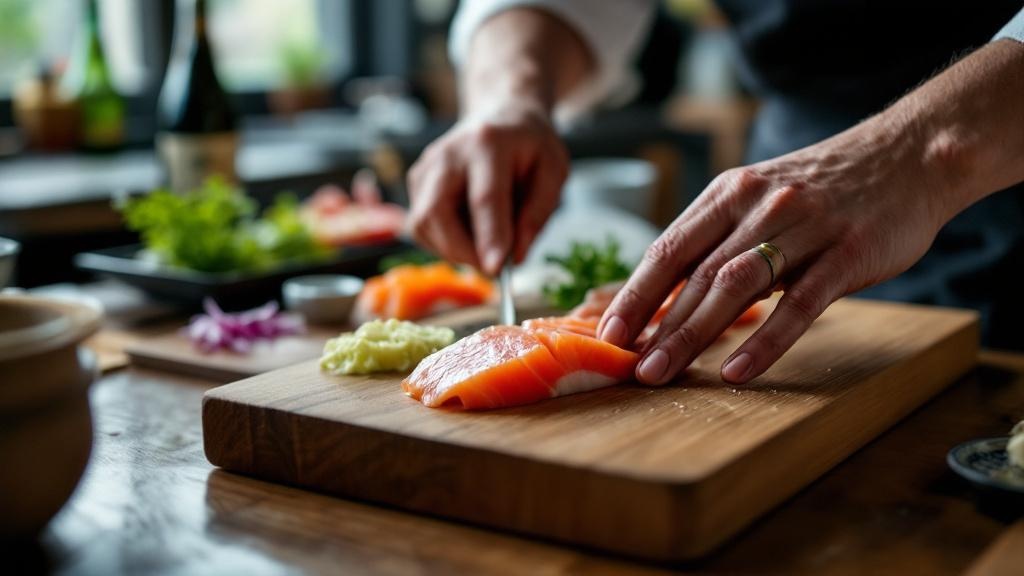
Supply chain transparency is an underused competitive advantage in Japan’s restaurant sector. BYO Co., a restaurant positioning itself for the international market, has made food traceability central to its guest experience — helping diners understand exactly where ingredients originate and what cultural significance they carry. As BYO Co. acknowledges, “very few players in Japan have achieved a traceability level that truly resonates with customers.” That gap is your opportunity. Document your sourcing. Name the farms, the fishermen, the sake breweries. Turn your supply chain into a story worth sharing.
Regional Food Heritage as a Positioning Asset
Second-tier destinations consistently outperform generic urban restaurants in attracting food tourists who want depth over convenience. Regions like Hokkaido, Tohoku, Kyushu, and Shikoku each carry distinct culinary identities — fermented foods, wild mountain vegetables, volcanic spring-cooked cuisine — that international visitors increasingly seek out. If your restaurant is rooted in a specific regional tradition, lead with that. Regional authenticity commands pricing premiums of 20–50% over comparable urban establishments, according to food tourism industry analysis.
Adapting Your Story for Different Visitor Segments
A single narrative will not resonate uniformly. Western experiential travelers tend to value hands-on participation — cooking classes, market tours, chef interactions. Asian food-culture enthusiasts often prioritize photogenic presentation and specific regional specialties they have researched in advance. Halal and dietary-restriction markets require explicit ingredient transparency and certified options. Build modular storytelling assets that let you emphasize the right angle for the right audience. Working with a professional culinary promotion partner for inbound strategy can accelerate this segmentation work significantly.
Step 3 — Activate Digital Discovery Channels
Understanding how to attract foreign tourists to a Japanese restaurant means meeting them on the platforms they actually use — and those platforms differ by age, nationality, and intent.
Platform-Specific Strategy
Each major platform plays a distinct role in the inbound discovery funnel. Instagram reaches approximately 60% of consumers searching for restaurants, making it the strongest all-around platform for food discovery. TikTok captures a younger demographic — 41% of Gen Z diners use it to find restaurants — while Google serves high-intent local search queries from visitors already in your area and ready to eat.
| Platform | Primary Role | Key Audience | Best Content Format |
|---|---|---|---|
| Visual discovery, brand building | Broad (all ages) | Reels, carousel posts, Stories | |
| TikTok | Viral reach, Gen Z acquisition | Under 35 | Short-form video (15–60 sec) |
| Google (GBP + Maps) | High-intent local conversion | All visitors, in-destination | Photos, Google Posts, reviews |
| Tabelog | Japan-specific restaurant search | All visitors researching Japan | Detailed profiles, multilingual listings |
A platform-specific approach prevents the common mistake of posting identical content everywhere. Instagram rewards aesthetic consistency. TikTok rewards energy and novelty. Google rewards freshness and completeness.
Tabelog and International Booking Integration
Tabelog remains Japan’s dominant restaurant discovery platform. Its multilingual app and international booking features now make it accessible to international visitors planning from overseas. Ensure your Tabelog profile is complete, accurately categorized, and includes English-language descriptions alongside high-quality photography. For restaurants serious about inbound volume, the Tabelog Award system — recognizing top establishments based on diner ratings — provides credibility signals that influence booking decisions.
Video-First Content Strategy
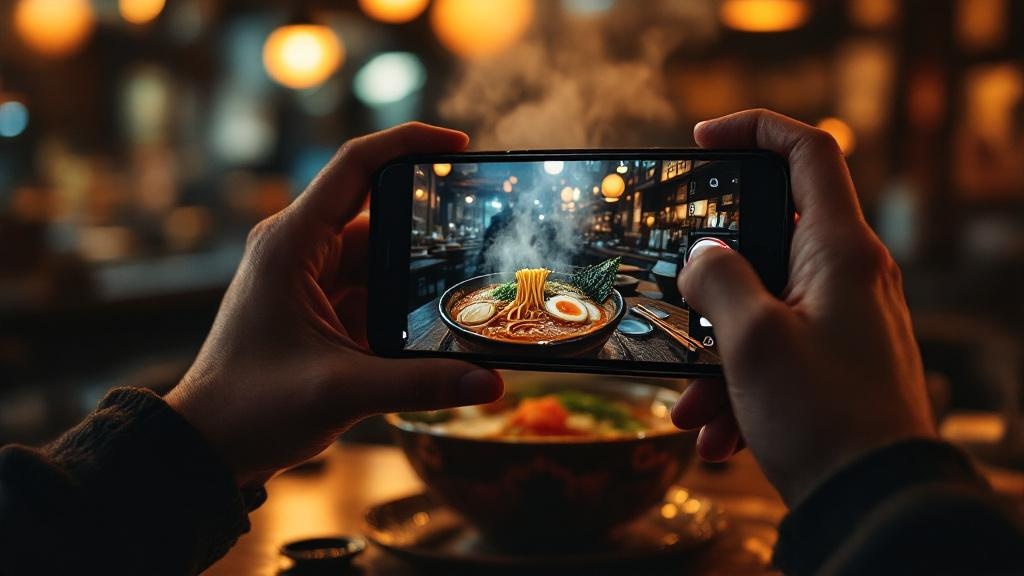
The data on video performance is unambiguous. TikTok food videos average 220,800 views per post, compared to 135,200 for Instagram Reels — a 63% visibility advantage. Restaurants that adopt video-led strategies report 2–3 times faster audience growth than those relying solely on static images. Prioritize behind-the-scenes kitchen footage, dish preparation sequences, and atmospheric walkthroughs. Three to four quality posts per week outperform daily posting in sustained engagement.
Step 4 — Partner with Food Influencers Strategically
Influencer marketing in Japan has matured into a substantial, data-driven channel — and when used strategically, it delivers measurable results for food experience marketing for inbound visitors.
The Scale of Japan’s Influencer Market
Japan’s influencer marketing market reached an estimated 102.1 billion yen in 2025, a 19% increase year-over-year. Food and travel content consistently rank among the highest-engagement categories. For restaurants, this means a large and growing pool of creators who can produce authentic content reaching both domestic and international audiences.
Micro-Influencer Economics
Not all influencer partnerships require a large budget. Nano-influencers (under 15,000 followers) charge $500–$2,000 per post, while micro-influencers (15,000–75,000 followers) charge $2,000–$8,000. Research consistently shows that micro-influencers deliver the highest engagement-to-cost ratios, making them the most efficient tier for restaurants with limited marketing budgets.
| Influencer Tier | Followers | Cost per Post (USD) | Engagement Advantage |
|---|---|---|---|
| Nano | 1K–15K | $500–$2,000 | Highest engagement rates, niche trust |
| Micro | 15K–75K | $2,000–$8,000 | Best balance of reach and engagement |
| Mid-tier | 75K–250K | $8,000–$20,000 | Broader reach, moderate engagement |
| Macro | 250K–1M | $20,000–$45,000 | Mass awareness, lower engagement % |
Authentic Content Outperforms Product Placement
The most effective food influencer campaigns in Japan center on genuine culinary experiences rather than scripted endorsements. The Asahi Super Dry × BayashiTV collaboration demonstrates this clearly: BayashiTV prepared yangnyeom chicken paired with Asahi beer in his signature energetic style, achieving a 3.99% engagement rate — substantially above platform averages. The content worked because it was recognizably authentic to BayashiTV’s format, not a forced product placement. When selecting influencer partners, prioritize creators whose existing content style naturally aligns with your restaurant’s character and cuisine.
Step 5 — Measure, Iterate, and Scale
A strategy without measurement is a guess. Building a repeatable system for tracking performance separates restaurants that grow from those that plateau.
Key Metrics
Track the indicators that connect directly to revenue and operational capacity:
- Reservation volume by source — Which platforms and campaigns drive bookings? Isolate the contribution of Google, Tabelog, Instagram, and direct website traffic.
- International guest percentage — Monitor the ratio of international to domestic guests monthly. A rising international share validates your inbound strategy.
- Social engagement rates — Track not just follower counts but engagement rates (likes, shares, saves, comments) that indicate content quality and audience resonance.
- Average spend per cover — International guests often spend differently than domestic regulars. Segment this metric to understand the revenue value of inbound diners specifically.
Monthly Content Refresh Cadence
Both Google and social platforms reward recency. Commit to a monthly refresh cycle: new Google Business Profile photos, updated Google Posts about seasonal menus or events, and consistent social content aligned with your 3–4 posts per week target. Google search data shows that “food near me” queries grew 99% year-over-year, while “food near me open now” surged 875% — underscoring the importance of keeping hours, photos, and availability current at all times.
When to Scale from Pilot to Regional Food Trail
Start with a single location. Validate your messaging, identify which platforms deliver the strongest return, and establish baseline metrics over 3–6 months. Once you have a clear picture of your customer acquisition cost and per-cover economics from inbound guests, consider scaling horizontally — partnering with complementary producers, neighboring restaurants, or regional tourism operators to create a multi-stop food trail experience. Regional food trails are the fastest-growing segment in culinary tourism, and they benefit every participant through shared visibility and cross-referral. This is where working with DMPJ’s food tourism and gastronomic experience services can help you move from a single-location operation to a coordinated regional strategy.
Building an inbound food tourism strategy requires multilingual content, platform expertise, and deep knowledge of how international visitors discover Japanese dining experiences. DMPJ’s Gourmet and Culinary Promotion team designs and executes food tourism strategies tailored to restaurants, regional producers, and hospitality operators across Japan. Explore the full range of services and start a conversation about your inbound strategy.
Sorry, the comment form is closed at this time.