

19 Jun What Is Customized Retail Experience Design? A Primer for Brands Entering Japan
Defining Customized Retail Experience Design in 2026
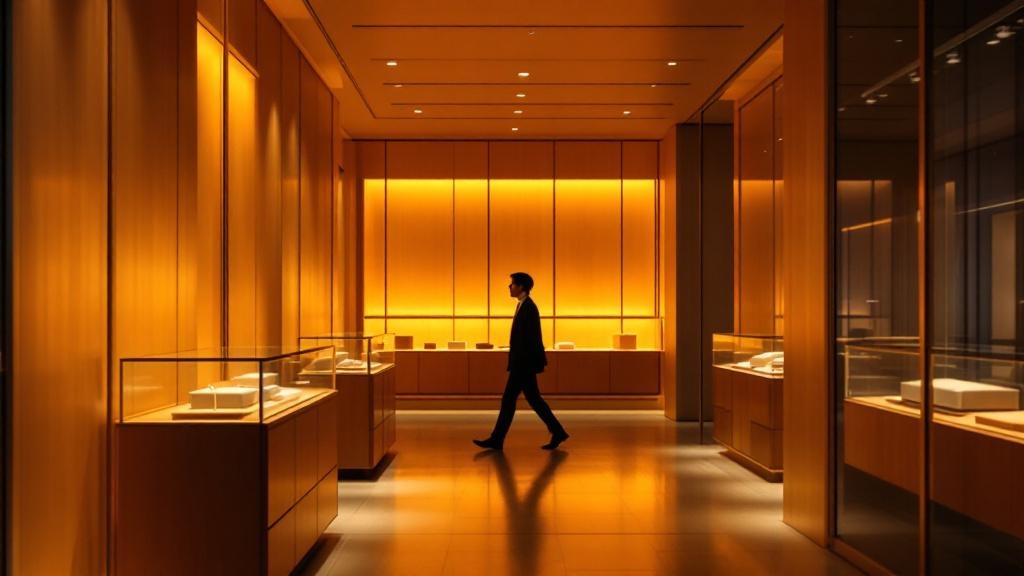
Walk into a store that stops you mid-stride — not because of a sale banner, but because the air carries a scent that feels deliberate, the lighting shifts as you move deeper inside, and a digital display recognizes you’re lingering near a product and offers a closer look. That reaction is not accidental. It is the result of customized retail experience design, a discipline that has separated itself from adjacent fields to become a strategic service in its own right.
The distinction matters. Interior design focuses on aesthetics and spatial function. Visual merchandising arranges products to maximize sell-through. Store fit-out covers the construction and finishing of a retail shell. Customized retail experience design sits above all three. It orchestrates the entire customer journey within a physical space — from the moment someone notices the storefront to the feeling they carry after leaving. It draws on behavioral psychology, technology, cultural context, and brand strategy to shape environments where every element serves a measurable purpose.
The discipline rests on five interconnected pillars:
| Pillar | What It Covers | Why It Matters |
|---|---|---|
| **Layout Planning** | Customer flow engineering, circular vs. grid configurations, zone mapping | Circular store layouts [increase average purchase value by 25–30%](https://cometarch.com/2025-retail-design-trends/) compared to traditional grids |
| **Digital Integration** | AR mirrors, interactive displays, smart checkout, connected devices | Strategic digital touchpoints [extend dwell time by up to 45%](https://cometarch.com/2025-retail-design-trends/) |
| **Sensory Branding** | Scent, lighting, sound design, tactile material selection | Multi-sensory environments [boost brand recall by up to 70%](https://freeyourself.com/blogs/news/multi-sensory-branding-statistics) |
| **Data Analytics** | Foot traffic heatmaps, dwell time tracking, conversion attribution | Enables continuous optimization rather than one-time redesign |
| **Cultural Storytelling** | Local aesthetic traditions, heritage references, community values | Determines whether a space feels authentic or imported |
Why did this emerge as a standalone discipline rather than remaining a bundle of tasks split across architects, marketers, and IT vendors? Because the consumer economy changed. Buying a product is no longer the point of visiting a store. The global experiential retail market is growing at a 14.9% compound annual growth rate, driven by shoppers who treat physical retail as a venue for discovery, entertainment, and brand connection. When the stakes are that high, coordination by committee falls apart. Brands need a single strategic lens that unifies spatial design, technology, sensory elements, and data into one coherent customer experience.
Why Japan Demands a Specialized Approach
Retail experience design principles are universal. Their application in Japan is not. The Japanese market imposes expectations that punish generic execution and reward deep cultural fluency.
Omotenashi and the Standard of Care
Japanese consumers have been shaped by *omotenashi* — a hospitality philosophy rooted in anticipating needs before they are expressed. In retail terms, this means shoppers notice when a fitting room lacks a hook at the right height, when packaging feels careless, or when a digital kiosk disrupts an otherwise serene environment. Stores like Takashimaya embed soothing music, subtle fragrances, and calibrated lighting to create a sensory harmony that communicates care at every touchpoint. For brands entering Japan without understanding this baseline expectation, the result is not indifference — it is active rejection.
The Experience Economy Has Arrived
The shift from transactional to experiential retail is no longer theoretical. Sixty-one percent of shoppers now place high value on in-store experiences, a figure that has risen sharply since 2023. Japan’s record 42.7 million international visitors in 2025 further intensified competition for attention in urban retail districts, with prime retail rents in Ginza and Omotesando reaching historical highs and vacancy rates falling below one percent. When real estate costs that much, every square meter must earn its place through engagement.
Blending Traditional Aesthetics with Modern Technology
Japan’s retail environment has a particular capacity for holding opposites in balance: *shoji* sliding doors alongside AR mirrors, handcrafted confectionery displayed under precision LED lighting, minimalist Muji stores layered with deliberate scent, texture, and visual cues that reinforce brand identity across every sense. The Kyoto confectionery shop Tsuruyachosei Sanneizaka demonstrates this balance — its redesign by UNC Studio uses traditional *Kaishi* paper motifs and shoji elements within a contemporary retail frame, creating a space that functions as both heritage site and modern boutique. Brands that import a Western retail template without accounting for this cultural duality miss the opportunity to connect with Japan’s most discerning shoppers.
Core Components of a Retail Experience Design Engagement
So what does customized retail experience design actually involve when a brand engages a provider? The scope varies by project, but a full engagement typically spans four integrated workstreams.
Conceptual Design and 3D Spatial Planning

Everything starts with how people will move through the space. Before materials are selected or screens are mounted, designers map customer flow paths, identify decision points, and engineer zones for discovery, engagement, and conversion. 3D spatial visualization tools allow brands to walk through proposed layouts virtually, testing sightlines and identifying dead zones before construction begins.
Digital Touchpoints — AR, Interactive Displays, Smart Mirrors
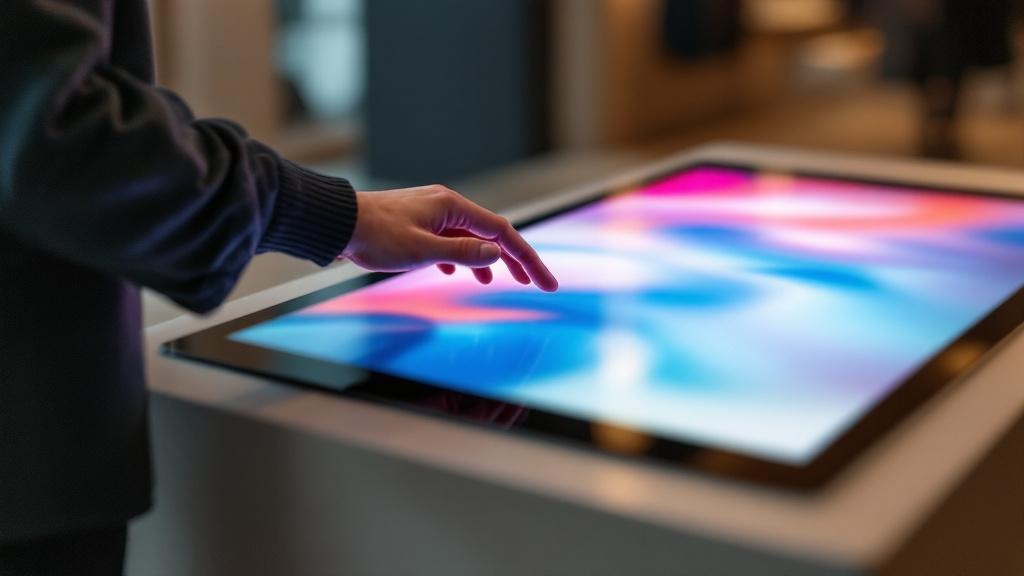
Digital integration ranges from practical to immersive. Kanebo Cosmetics’ KATE TOKYO flagship in Shibuya uses AI-powered facial analysis to recommend personalized mascara formulas — a direct translation of web-only customization into the physical store. ANREALAGE HOMME in Harajuku deploys smart mirrors and AR displays that show how garments respond to different lighting conditions, turning a fitting room visit into a brand education moment. Japan’s virtual reality retail market is projected to expand at a 23.5% CAGR through 2030, signaling that these technologies are moving from novelty to expectation.
Sensory Elements — Scent, Lighting, Sound Design
Multi-sensory design is where retail experience work separates most clearly from conventional store design. Sensory marketing can increase sales by 10% and extend dwell time by nearly six minutes when multiple senses are activated simultaneously. Japan-based companies like Aromajoin are pioneering programmable scent delivery, while Nichia’s Vitasolis LED technology replicates natural circadian light patterns to keep shoppers alert in the morning and relaxed in the evening. On the audio side, research confirms that 84% of consumers notice in-store music and 40% stay longer when it resonates with them.
Data-Driven Optimization and Customer Flow Analytics
A well-designed store is not a finished product — it is a system that improves over time. Foot traffic heatmaps reveal which zones attract attention and which go ignored. Dwell time sensors track how long shoppers engage with specific displays. Conversion attribution links layout changes to sales outcomes. Shiseido’s flagship stores use behavioral analytics to continuously adjust product placements and personalize recommendations based on observed customer movements. The goal is not to design a perfect store once but to build the feedback loops that make it better every week.
Who Needs This Service — and When
Retail experience design services for brands are not reserved for global luxury houses with unlimited budgets. The discipline applies across a range of scenarios that small and mid-sized businesses encounter regularly.
Foreign brands launching a Japan flagship. The Japanese market rewards cultural fluency and punishes tone-deaf imports. Timberland’s first-ever concept store in Daikanyama, developed in collaboration with local designers and featuring Japan-exclusive products, demonstrates how market entry through experience design creates positioning advantages that standard retail openings cannot match.
Japanese SMEs expanding to new domestic or overseas markets. A brand that has succeeded in one city needs more than a duplicate floor plan to succeed in another. Regional consumer preferences, traffic patterns, and competitive landscapes require adapted experience strategies — particularly when expanding into Southeast Asian or Western markets where consumer expectations differ fundamentally.
Retailers facing declining foot traffic or stagnant dwell time. When customers enter but do not linger, the problem is rarely merchandise. It is usually the environment — poor flow, uninspired sensory design, or digital touchpoints that frustrate rather than assist. Experiential retail meaning for small business operators comes down to this: the physical space itself is either working for or against the sale.
Pop-up and event-driven brands seeking turnkey experiential spaces. Temporary retail carries unique constraints — compressed timelines, unfamiliar venues, single-use infrastructure. Brands like 3CE have turned these constraints into advantages, with their four-day “Pink Space Hotel” pop-up in Omotesando generating massive social media engagement through a meticulously designed Instagram-first environment.
The Business Case — Key Statistics
Understanding what is retail experience design matters less if the numbers do not justify the investment. They do.
| Metric | Finding | Source Context |
|---|---|---|
| **Market Growth** | The global experiential retail market is [expanding at a 14.9% CAGR](https://www.gii.co.jp/report/infi1975665-global-experiential-retail-market.html), with Asia-Pacific as a lead growth region | Global market forecast, 2025–2030 |
| **Dwell Time** | Stores with strategically placed digital touchpoints see [up to 45% longer customer dwell time](https://cometarch.com/2025-retail-design-trends/) | Retail design implementation data |
| **Purchase Value** | Circular and experiential layouts [increase average purchase value by 25–30%](https://cometarch.com/2025-retail-design-trends/) over traditional grid configurations | Spatial design comparison studies |
| **Brand Recall** | Multi-sensory environments [boost brand recall by up to 70%](https://freeyourself.com/blogs/news/multi-sensory-branding-statistics) versus single-sense engagement | Consumer behavior research |
Japan’s immersive entertainment market alone reached $5.19 billion in 2025 and is projected to grow at a 32.5% CAGR through 2033, reflecting the broader consumer appetite for experiences that physical retail can capture. For retailers weighing whether to invest, the question is no longer whether immersive store design in Japan delivers returns — it is whether they can afford to remain in spaces that do not.
How to Get Started Without Overcommitting
The statistics make the case, but a six-figure redesign is not the only entry point. Brands unfamiliar with the discipline — or uncertain about scope — have practical ways to test the waters before committing to a full transformation.
Pilot Programs and Phased Implementation
Rather than redesigning an entire store at once, start with a single high-impact zone. Refresh the entrance experience, test a digital touchpoint near the fitting rooms, or introduce a signature scent in one section. Measure foot traffic, dwell time, and conversion in the pilot area against an unchanged control zone. The data from a focused pilot — typically achievable within three to four months at a fraction of full project cost — provides the evidence base for scaling or adjusting the approach. Providers who specialize in customized retail experience design services often structure engagements around these phased models precisely because they reduce risk for first-time clients.
Diagnostic Assessments as Low-Risk Entry Points
Before designing anything, it helps to understand what the current space is doing well and where it fails. A diagnostic assessment typically includes customer flow analysis, competitive benchmarking against comparable stores in the market, sensory environment evaluation, and identification of the highest-leverage improvement opportunities. These assessments can be completed in four to six weeks and provide a clear roadmap with prioritized recommendations — useful even if the brand decides to delay implementation.
Questions to Ask Before Engaging a Provider
Not every retail design firm operates at the strategic level this discipline requires. Before signing a scope of work, ask:
- Do you integrate data analytics into the design process, or treat design and measurement as separate workstreams? The answer reveals whether the provider can deliver ongoing optimization or only a one-time redesign.
- What is your experience with the Japanese market specifically — including consumer expectations, regulatory requirements, and local vendor networks? Global frameworks fail without local adaptation.
- Can you show phased engagement models with defined decision gates? Providers confident in their outcomes will structure contracts that let you evaluate results before expanding scope.
- How do you balance digital integration with physical aesthetics? In Japan, technology that overwhelms a space undermines it. The best providers treat digital tools as part of the sensory environment, not a layer applied on top.
If you are exploring how to create a retail environment that reflects your brand’s identity while resonating with Japanese consumers, DMPJ’s immersive retail design for the Japanese market offers end-to-end support — from strategic concept development through sensory branding and data-driven optimization. Visit the service page to learn how DMPJ blends traditional Japanese aesthetics with advanced digital integration to craft immersive retail spaces that drive measurable engagement.
Sorry, the comment form is closed at this time.