

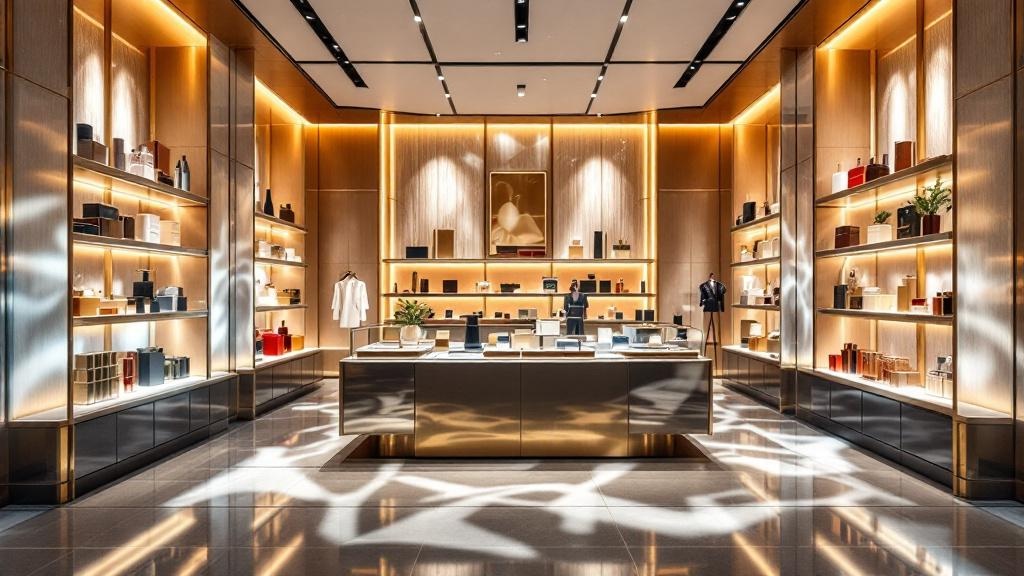
19 Jun Multi-Sensory Retail Design in Japan: How Scent, Sound, and Lighting Drive Sales
The Science Behind Multi-Sensory Retail
Walk into a well-designed Japanese department store and something shifts before you even look at a product. A subtle fragrance registers in the back of your mind. The ambient soundtrack adjusts your pace. Warm light draws your eye toward a curated display. None of this is accidental. It is the result of a deliberate multi-sensory retail design strategy — and the neuroscience behind it explains why it works so well.
How Scent Bypasses Rational Processing
Of all the senses, smell operates through the most direct neurological pathway. Olfactory signals travel straight to the limbic system — the brain’s center for mood, memory, and emotion — bypassing the slower cortical processing that visual and auditory stimuli require. This means a carefully chosen fragrance can trigger an emotional response before a shopper consciously evaluates a single product. A meta-analysis of 671 ambient scent experiments confirms that pleasant aromas consistently boost favorable customer evaluations and engagement, regardless of product category.
Auditory Influence on Behavior
Sound shapes the tempo of a shopping experience. Research published in *Behavioral Sciences* found that fast-tempo background music increases variety-seeking behavior through heightened arousal, while slower tempos encourage browsing and deliberation. The effect is not subtle: 84% of consumers notice in-store music, and 40% stay longer when the soundtrack resonates with their preferences. In Japan, where shoppers prize atmosphere, auditory branding in a retail store’s sound design carries outsized influence on dwell time and purchase decisions.
Memory, Recall, and the Multi-Sensory Advantage
The commercial payoff of engaging multiple senses simultaneously is measurable. According to industry research, 84% of consumers are significantly more likely to remember a brand that has a signature scent. More broadly, multi-sensory environments can boost brand recall by up to 70% compared to single-sense engagement, and brands with active sensory strategies see a 40% increase in customer loyalty. These are not marginal gains. For brands competing in Japan’s dense retail landscape, sensory branding in retail is one of the highest-leverage investments available.
Scent Marketing — Japan’s Growing Market and Key Players
Market Size and Growth
Japan’s relationship with fragrance extends from centuries-old *kōdō* incense ceremonies to a booming contemporary market. The Japan luxury perfume market reached USD 828.2 million in 2025, growing at a 5.08% CAGR with projections reaching USD 1,293.5 million by 2034. Japanese consumers are gravitating toward niche, artisanal fragrances that communicate personal identity rather than mass-market popularity — a shift that directly informs scent marketing strategies for retail environments.
Globally, the scent marketing market is projected to reach USD 7.28 billion by 2035, with retail applications accounting for roughly 38% of deployments. Japan ranks among the top adopters in Asia-Pacific, driven by a retail culture where atmosphere is not an afterthought but a core brand asset.
Key Vendors and Technology Providers
Japan’s domestic vendor ecosystem for scent marketing in stores is among the most technologically advanced in the world.
| Vendor | Location | Specialty |
|---|---|---|
| [Aromajoin Corporation](https://aromajoin.com) | Kyoto | Digital scent technology; programmable fragrance delivery for precise spatial and temporal control |
| [Scentee Machina](https://scentee-machina.com) | Tokyo | IoT-enabled smart diffusers with AI-driven scent preference learning across four interchangeable cartridges |
| [The Flavor Design](https://www.theflavordesign.com/en/fragrance-truck/) | Mobile (nationwide) | Experiential fragrance retail via mobile concept truck; artist-designer scent collaborations |
Implementation in Practice: Shiseido’s Scent-Emotion Synchronization
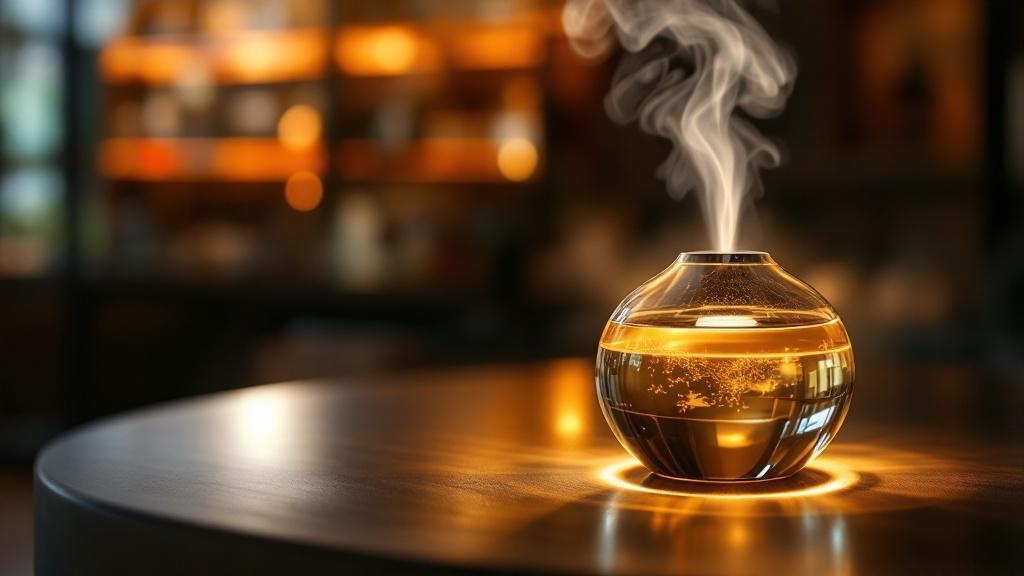
The most ambitious Japanese scent implementation comes from Shiseido. In 2025, the company conducted demonstration experiments at the Dialogue Theater Building where sensory research equipment read participants’ facial expressions, calculated real-time empathy levels, and released carefully timed scents at moments of peak emotional synchronization. This dynamic approach treats fragrance not as static background ambiance but as an active participant in emotional experience design — a paradigm shift for scent marketing in store environments across Japan.
Sound Design — From Background Music to Strategic Audio Architecture
Consumer Awareness and Behavioral Impact
Sound is not background noise in Japanese retail — it is infrastructure. The data supports this: 84% of consumers notice in-store music, 55% actively value music they enjoy, and 40% extend their shopping time when the soundtrack connects. For auditory branding in retail store sound design, these numbers confirm that music selection is a commercial decision, not a creative indulgence.
Music Fit and Brand Equity
A field study examining the relationship between ambient music and retailer equity in a fashion store setting found that the positive effect of music on brand perception was significantly moderated by “music fit” — the alignment between what shoppers hear and how they perceive the store’s identity. When the music matched the brand’s personality, equity gains were substantial. When it clashed, the effect reversed. This finding is critical for international brands entering Japan: selecting music that reflects both brand identity and local cultural expectations is essential, not optional.
Compounding Returns: Sound Plus Scent
The most compelling audio data emerges from multi-sensory combinations. A study published in the *International Journal of Economic Studies* found that ambient music combined with pleasant scent increased average transaction value by 15% compared to visual merchandising alone. Shoppers in these multi-sensory environments browsed longer and rated the store experience more positively — effects that drove measurable revenue uplift without any change to product assortment or pricing.
Sound Maestro and Premium Audio Branding
Sound Maestro, a Japanese high-end sound branding project staffed by veteran audio engineers and first-class sound designers, reflects the country’s institutional commitment to elevating retail audio from generic playlists to strategic brand assets. Their work positions Japan at the forefront of auditory branding, where retail store sound design is treated with the same rigor as visual identity or architectural planning.
Advanced Lighting Systems — Circadian, Mood-Based, and Product-Revealing
A Market in Rapid Expansion
The global circadian lighting market was valued at approximately USD 1.5 billion in 2023 and is projected to reach USD 3.8 billion by 2032, growing at roughly 10.8% CAGR. This growth reflects mounting scientific evidence that lighting tuned to natural circadian rhythms promotes alertness, reduces fatigue, and influences purchasing behavior. For retail lighting design and customer behavior, the implications are significant: light is not just visibility, it is persuasion.
Nichia’s Vitasolis and Optisolis Technology
Japanese technology leads this space. Nichia Corporation’s Vitasolis™ LED technology stimulates the human circadian rhythm by incorporating elevated energy in the cyan wavelength region — the part of the spectrum most effective at regulating human biological clocks. Complementing this, Nichia’s Optisolis™ achieves a color rendering index of 98 (compared to 80–90 for standard retail LEDs), producing light closer to natural sunlight than any previously developed LED. For product categories like fresh food, cosmetics, and textiles where true color perception directly affects purchase confidence, this technology delivers measurable competitive advantage.
Dynamic Lighting and Sales Performance
Static, uniform lighting is leaving money on the table. Research compiled by the Lighting Research Center found that retailers using dynamic lighting reported a 14% sales increase compared to those using static illumination. By adjusting color temperature throughout the day — cool, energizing tones in the morning; warmer, relaxing hues in the evening — retailers can match lighting to customer arousal cycles and product category positioning.
Case Study: Nihombashi Mitsukoshi’s Illuminated Forest Canopy
Japanese studio Lighting Planners Associates designed a white tree-like aluminum canopy for the Nihombashi Mitsukoshi Main Store, where each leaf is lit from behind by an individual LED. The concept — “a shining, white forest” that arches over shoppers — demonstrates how lighting architecture can shape customer flow while evoking the serenity of natural environments. It is retail lighting design influencing customer behavior through spatial narrative rather than raw illumination.
Tactile Design and Material Strategy for Japanese Consumers
The Imperative of Touch
In an increasingly digital retail world, physical touch retains irreplaceable commercial power. Research indicates that nearly 86% of shoppers aged 18–44 say touching products is essential to their purchase decisions — a figure even higher among Gen Z consumers. In Japan, where product quality expectations are among the world’s strictest, tactile verification is not just preference; it is prerequisite.
Surface Texture and Willingness to Pay
A study surveying 387 respondents at a major Japanese shopping mall examined how surface texture affects willingness to pay. Using smartphone covers with varying textures under different price conditions, the researchers found that texture properties significantly moderated price anchoring effects — certain textures made consumers more accepting of higher prices. The practical takeaway: material selection in retail environments is a pricing strategy, not just an aesthetic choice.
Muji’s Sensory Brand Excellence

No brand embodies tactile retail strategy more fully than Muji. Academic research examining Muji’s sensory brand experience found the retailer excels specifically in visual, olfactory, and tactile dimensions. Muji stores invite customers to touch fabrics, test stationery, and handle homeware — transforming the store into a material discovery space. The study confirmed that these tactile interactions strongly influence brand identification and consumer attraction, validating touch as a primary brand communication channel.
Wabi-Sabi Philosophy in Luxury Retail Materiality
Japanese retail design increasingly draws on *wabi-sabi* — the philosophy of finding beauty in imperfection, naturalness, and the authentic aging of materials. The Japandi aesthetic movement brings this philosophy into contemporary retail through emphasis on raw textures, natural wood grain, handcrafted ceramics, and unpolished stone. For luxury retailers, these material choices communicate authenticity and craftsmanship — values that Japanese consumers consistently rank above superficial polish. Applying wabi-sabi principles to store materiality creates tactile environments that feel distinctly Japanese and culturally resonant.
Bringing It All Together — The Integrated Sensory Approach
Why Isolated Interventions Underperform
Deploying scent without considering sound, or upgrading lighting without addressing material quality, delivers diminished returns. The research is consistent: full sensory activation can increase sales by 10% and extend dwell time by nearly six minutes, but these gains materialize only when sensory elements work in concert rather than in isolation. A signature scent undermined by harsh fluorescent lighting creates cognitive dissonance. Beautiful materials displayed under poor color-rendering LEDs lose their persuasive power.
Takashimaya’s Sensory Harmony Model
Takashimaya exemplifies the integrated approach, combining soothing music, subtle fragrances, and ambient lighting into a unified sensory environment that makes customers feel relaxed and inclined to explore. This is not atmospheric decoration — it is a calculated customer retention strategy. The sensory elements work as a system, each reinforcing the others to create the calm, exploratory mindset that correlates with higher conversion rates and larger basket sizes.
Measuring Sensory ROI
For decision-makers evaluating DMPJ’s multi-sensory retail environment design, the key performance indicators are well-established:
| Metric | Typical Impact | Measurement Method |
|---|---|---|
| Dwell time | +15–40% with integrated atmospheric programs | Beacon/RFID tracking, staffed observation |
| Transaction value | +15% with combined scent and music | POS data comparison (test vs. control) |
| Brand recall | +70% vs. single-sense engagement | Aided/unaided awareness surveys |
| Customer loyalty | +40% for sensory-active brands | NPS tracking, repeat purchase rates |
| Sales uplift | +10% with full sensory activation | Revenue comparison across matched periods |
The 10% Sales Increase Through Full Sensory Activation
A 10% sales increase through comprehensive sensory design may sound modest on paper. In practice, for a mid-sized retailer generating ¥500 million annually, it represents ¥50 million in incremental revenue — often achieved without changes to inventory, pricing, or staffing. When combined with dwell time improvements that increase conversion probability and loyalty gains that reduce customer acquisition costs, the compounded return on a well-executed multi-sensory program far exceeds the initial investment. The key requirement is integration: scent, sound, lighting, and material strategy working as a unified system rather than a collection of independent upgrades.
For brands seeking customized sensory retail solutions for Japan, the evidence points clearly toward holistic, data-informed approaches that respect both the neuroscience of sensory perception and the cultural expectations of Japanese consumers.
Creating a multi-sensory retail environment that feels authentically Japanese while driving measurable business results requires deep expertise in scent, sound, lighting, and material design. DMPJ’s sensory branding and experiential marketing team designs customized multi-sensory retail spaces that elevate brand identity and increase customer engagement. Discover how DMPJ’s customized retail experience design service integrates all five senses into cohesive store environments.
Sorry, the comment form is closed at this time.