


26 Architectural and Real Estate Visualization | DMPJ
At Daisho Media Partners Japan (DMPJ), we specialize in high-quality architectural and real estate visualization, offering advanced solutions to showcase properties with precision and creativity. In a market where listings with video generate 403% more inquiries and virtual tours cut average days-on-market by up to 44%, professional visualization is no longer optional — it is the infrastructure that drives faster sales, higher prices, and stronger buyer confidence across both domestic and cross-border transactions.
Explore Our Blog
Innovations in Real Estate Marketing & Visualization
From practical guides on what architectural visualization includes and how to choose a vendor in Japan, to data-backed format comparisons and ROI frameworks — our blog helps real estate teams make informed decisions about 3D rendering, virtual tours, drone imaging, and cross-border visualization strategy.
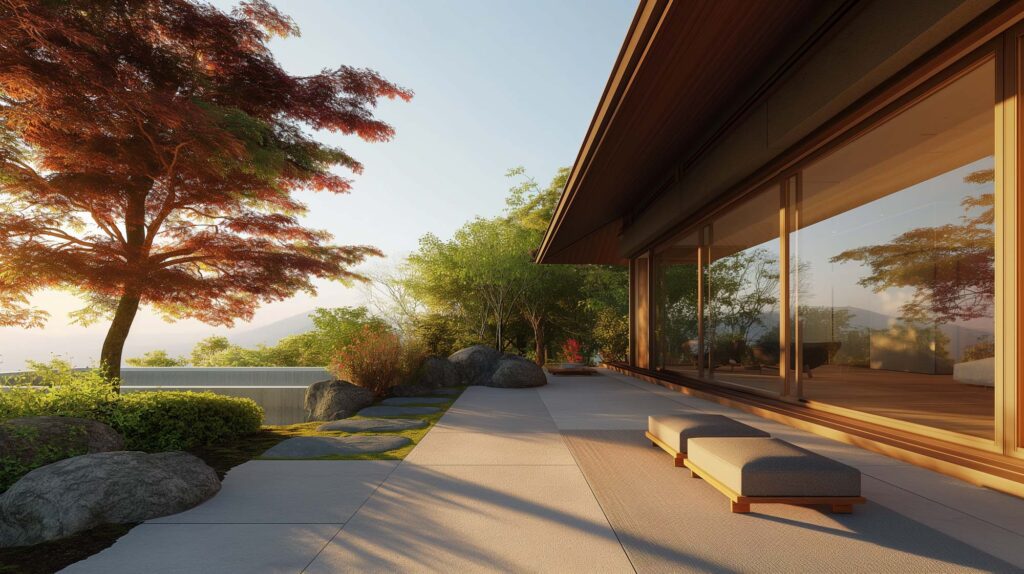
The Market Case for Visualization
Peer-reviewed research across hundreds of thousands of real estate transactions consistently shows that professional visualization accelerates sales, lifts prices, and multiplies buyer engagement. These are the numbers driving investment decisions across the Japan property market.
+403%
More inquiries on listings with video content (National Association of Realtors)
44%
Faster sales with VR tours — average days-on-market cut from 34 to 19 (UT Dallas, 43,000 transactions)
4–9%
Higher sale prices on 3D-listed properties (Texas Tech / Matterport, 140,000 MLS records)
55%
Of buyers would purchase sight-unseen given a quality 3D walkthrough
Our Service Offerings
1. 3D Architectural Modeling & Rendering
-
-
Photorealistic Property Visuals — From Pre-Construction to Completion
- High-resolution 3D models and photorealistic renders using V-Ray, Corona, and real-time engines like Unreal Engine and Twinmotion
- BIM-native workflow supporting direct Revit and ArchiCAD import — aligned with Japan’s 58.7% BIM adoption rate and 2027 mandate roadmap
- Exterior perspectives, interior vignettes, and bird’s-eye masterplan compositions for residential, commercial, and mixed-use projects
-
2. Virtual Tours & Interactive Walkthroughs
-
-
Immersive Experiences That Sell Properties 44% Faster
- 360-degree interactive virtual tours — from photo-based Matterport scans to full-CG game-engine walkthroughs for pre-construction marketing
- AR and VR solutions enabling remote buyers to evaluate properties in detail; 37.4% of Tokyo renters now use online viewings
- Multilingual interactive walkthroughs for cross-border investors — 89% of Chinese investors express interest in online property tours of Japanese assets
-
3. Aerial & Drone Imaging for Real Estate
-
-
Aerial Perspectives at 80–90% Less Than Traditional Helicopter Shoots
- High-definition drone photography and videography with nationally licensed pilots under Japan’s revised Aviation Act certification system
- Panoramic aerial views establishing site context — transit proximity, neighborhood character, and surrounding infrastructure
- 3D site mapping for large-scale developments, greenfield projects, and land sales where location context is the primary selling point
-
4. Real Estate Video Production
-
-
Cinematic Property Films That Drive 403% More Inquiries
- Cinematic property showcase videos combining 3D animation, live-action footage, voiceover narration, and scored music
- Virtual staging and animation for pre-construction and renovation marketing — showing the finished result before construction begins
- Professional scripting, editing, and post-production optimized for social media, investor presentations, and listing portal distribution
-
5. Marketing Collateral & Digital Assets
-
-
Unified Visual Assets Across Every Marketing Channel
- High-end property brochures, digital presentations, and investor pitch decks — all delivered in multiple resolutions and aspect ratios
- Bilingual (English/Japanese) branding and promotional materials for domestic and cross-border campaigns
- Social media content creation repurposed from 3D renders, drone footage, and tour assets — maximizing ROI from a single production investment
-
6. Cross-Border Visualization Packages
-
-
Bridging Distance for International Property Transactions
- Full visualization suites for foreign investors — 3D walkthroughs, drone neighborhood context, and multilingual cinematic video
- Tailored to Japan’s ¥939.7 billion cross-border residential market, serving buyers in Taiwan, Singapore, mainland China, and beyond
- Bilingual delivery combining Japanese architectural precision with international marketing storytelling
-
Why Choose DMPJ for Real Estate Visualization?
- Advanced 3D Visualization & BIM-Native Rendering: We leverage V-Ray, Unreal Engine, and BIM-integrated workflows to produce photorealistic visuals — from single residential renders to full pre-construction marketing suites. Properties with 3D tours sell up to 31% faster and command 4–9% higher prices.
- Interactive Virtual Tours & AR/VR Integration: From Matterport-based 360° scans to full-CG game-engine walkthroughs, our immersive solutions serve the 37.4% of Tokyo renters who now evaluate properties online — and the 55% of buyers willing to purchase sight-unseen with a quality 3D walkthrough.
- Cinematic Real Estate Video Production: Scripted, scored, and art-directed property films that generate 403% more inquiries than static listings. We combine 3D animation, live-action footage, and drone aerials into distribution-ready content for portals, social media, and investor presentations.
- Licensed Drone Imaging & Aerial Mapping: Nationally certified pilots operating under Japan’s revised Aviation Act deliver stunning aerial perspectives at 80–90% less than traditional helicopter shoots — establishing site context, neighborhood positioning, and surrounding infrastructure for every project scale.
- Bilingual Cross-Border Expertise: With foreign investment in Japanese real estate surging 63% to ¥939.7 billion in 2024, we bridge Japanese architectural precision with international marketing sensibility — delivering multilingual visualization packages for inbound and outbound cross-border transactions.
Our Approach
01 Understanding Client Needs
We map your buyer geography, language requirements, and deal stage before a single camera angle is set — ensuring every deliverable targets the right audience through the right format.
02 Advanced 3D Modeling & Rendering
BIM-native pipelines pull geometry directly from Revit and ArchiCAD, eliminating redundant modeling and ensuring dimensional accuracy aligned with Japanese building standards.
03 Seamless Virtual Experience Integration
From photo-based 360° tours to full-CG interactive walkthroughs in Unreal Engine — immersive formats proven to cut days-on-market by 44% and boost engagement by 300%.
04 Aerial & Drone Data Utilization
Nationally licensed pilots capture site context, neighborhood positioning, and surrounding infrastructure — delivering aerial perspectives that replace costly helicopter shoots.
05 Multi-Format Bundled Delivery
One coordinated production — renders, tours, drone footage, and video — sharing assets across formats to reduce costs by 15–25% while maintaining visual consistency across every channel.
Visualization by Property Type
The best visualization format depends on what you are selling and who is buying. We match deliverables to your specific project context for maximum impact.
Pre-Construction
When the building does not yet exist, visualization is the only way to sell. Photorealistic exterior and interior renders, virtual tours, and cinematic video form the core of pre-sales campaigns months or years before groundbreaking.
Luxury & Cross-Border
For high-value properties targeting foreign investors — where 89% of Chinese buyers want online tours — immersive virtual walkthroughs combined with drone neighborhood footage create the comprehensive remote viewing package that closes deals.
Large-Scale & Land
When site context is everything — greenfield developments, resort projects, raw land — drone mapping communicates boundaries, topography, and surrounding infrastructure far more efficiently than any ground-level photo.
Office & Retail Leasing
With Tokyo Grade A office vacancy at 3.4%, tenants evaluate multiple options side by side. Still renders drive portal click-through; virtual tours convert shortlisted prospects — matching format to funnel stage for maximum conversion.
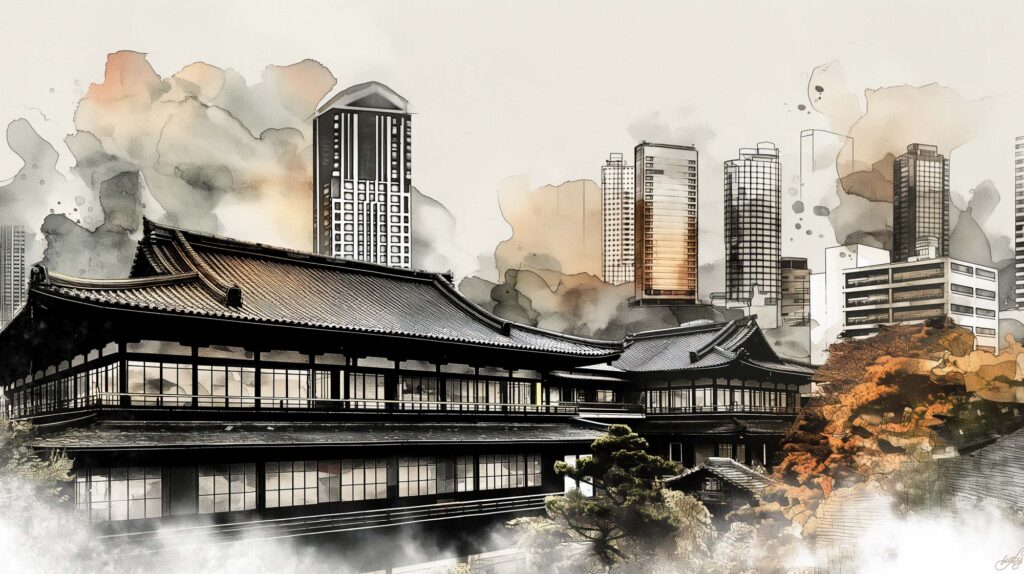
Industries We Serve
Real Estate Developers & Agencies
Architectural Firms & Urban Planners
Tourism & Hospitality Industry
Property Investors & Cross-Border Funds
Digital Marketing & Advertising Agencies
Japan’s Growing Visualization Market
Structural shifts in how Japanese consumers and international investors evaluate properties are driving rapid growth in visualization investment across every property segment.
¥939.7B
Foreign residential investment in Japan (2024) — up 63% year-over-year. Cross-border buyers who cannot visit in person rely almost entirely on digital visualization assets to make purchase decisions.
¥2.38 Trillion
Projected real estate tech market by 2030 — up from ¥940 billion in 2022. Competitors are increasing visualization spend, making it a cost of staying competitive rather than an optional enhancement.
37.4%
Of Tokyo-area renters used online viewings in 2024 — the highest figure since tracking began, rising steadily from 27.5% in 2021. This is a structural shift, not a pandemic hangover.
Latest Insights on Architectural And Real Estate Visualization

What Is Architectural Visualization? A Practica…
Architectural visualization explained for real estate marketing teams. Learn about 3D rendering, vir

In-House vs. Outsourced Architectural Visualiza…
Compare the real costs of hiring an in-house 3D artist vs. outsourcing architectural visualization.

How to Choose an Architectural Visualization Pa…
A structured playbook for evaluating architectural visualization vendors in Japan — covering portfol
3D Rendering vs. Virtual Tours vs. Drone Photog…
Compare 3D rendering, virtual tours, and drone photography for real estate sales. Data-backed cost b
Selling Properties Across Borders: How Visualiz…
Foreign investment in Japanese real estate hit ¥939.7B in 2024. Learn how 3D visualization, virtual
Architectural Visualization Pricing in Japan: W…
Concrete pricing benchmarks for 3D rendering, virtual tours, and drone imaging in Japan. Learn what
Our Projects
Sorry, no posts matched your criteria.
Frequently Asked Questions
How much does architectural visualization cost in Japan?
Photorealistic CG renders for residential projects typically range from ¥50,000 to ¥150,000 per image at the mid-market level. Photo-based 360° virtual tours start at ¥35,200, while full-CG interactive walkthroughs for pre-construction marketing range from ¥1,500,000 to ¥3,500,000. Drone photography averages ¥57,721 per flight — representing an 80–90% cost reduction compared to traditional helicopter aerial shoots.
Is visualization only worthwhile for luxury projects?
No — the ROI case is often stronger for mid-market properties. When ten comparable projects compete in the same ward, visualization determines which listings generate enough clicks to fill an open house. AI-assisted tools now offer VR conversion starting at ¥13,200 per image, and platforms like Twinmotion are free for firms earning under $1 million annually, making professional visualization accessible at every budget level.
How long does production take?
Standard photorealistic renders are delivered within 5–7 business days. Matterport-style virtual tours can be scanned in under an hour and published within 24 hours. Real-time rendering engines like Unreal Engine allow live client reviews with instant material and lighting adjustments — the bottleneck in most projects is not production time but the client’s internal review cycle.
Should we build an in-house team or outsource?
For firms producing fewer than 400 render-hours per month — which covers the vast majority of SMEs — outsourcing typically costs 40–60% less than maintaining equivalent in-house capacity. A one-person in-house visualization team costs $135,000–$170,000 annually (salary, software, hardware, overhead), while equivalent outsourced production runs $60,000–$80,000. The hybrid model — internal tools for concepts, outsourced production for client-facing work — is the dominant approach among Japanese firms outside the top-tier developers.
How important are virtual tours for cross-border transactions?
Critical. Foreign acquisition of Japanese real estate hit ¥939.7 billion in 2024 — a 63% year-over-year increase. Research shows that 89% of Chinese investors want online property tours and 55% of all buyers would purchase sight-unseen with a quality 3D walkthrough. For this market segment, visualization is not a marketing enhancement — it is the primary transaction infrastructure.
What should we look for in a visualization vendor?
Evaluate five criteria: portfolio quality and architectural accuracy, service breadth across formats, turnaround reliability, bilingual capability, and pricing transparency. BIM-native workflow capability, national drone pilot certification, and named client references are strong green flags. Use a weighted scoring matrix — quality 30%, cost 25%, reliability 20%, technical expertise 15%, support 10% — to produce a defensible vendor ranking.
Properties with professional visualization sell up to 44% faster and command 4–9% higher prices. Let’s bring your next project to life.
Get in Touch
CONTACT US