

16 Jun How Much Does Culinary Promotion Cost in Japan? Pricing, Budgets, and ROI Benchmarks for Food Businesses
Why Pricing Transparency Matters in Culinary Promotion
If you are evaluating culinary promotion cost in Japan for the first time, you have probably already noticed the problem: almost no one publishes their rates. Performance uncertainty is the single biggest purchasing barrier for SME decision-makers weighing food marketing agencies. Without benchmark numbers, it is impossible to set a realistic budget, compare vendor proposals on equal footing, or calculate whether the investment will pay back.
The Japanese market makes this harder than most. Vendor pricing tends to be relationship-based, disclosed only after initial meetings and needs assessments. That approach works well for repeat buyers who already understand typical ranges, but it disadvantages first-time buyers — particularly international operators entering Japan or Japanese brands expanding abroad — who have no baseline for what “reasonable” looks like.
This guide closes that gap. Every figure below comes from platform data, industry research, or documented market benchmarks. The goal is to give you concrete ranges so that when you sit down with a vendor, you can evaluate their proposal against real numbers rather than guesswork.
Food Photography and Visual Content: Cost Ranges and ROI
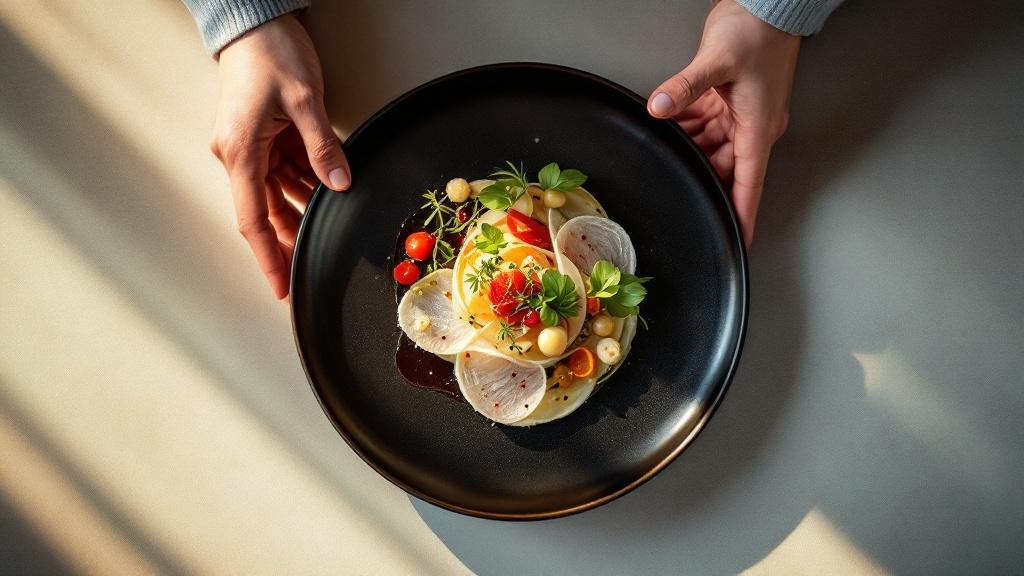
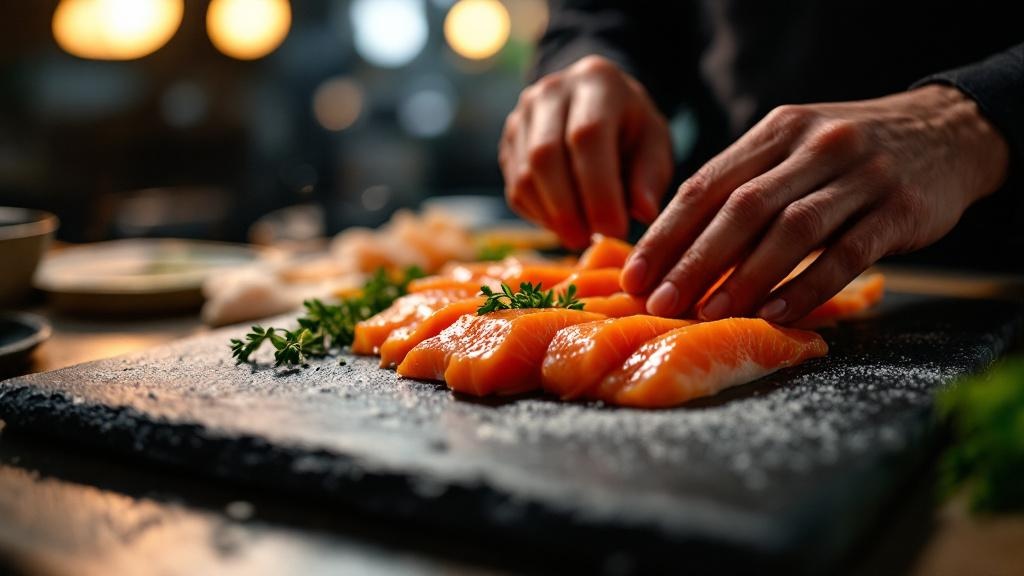
Visual content is the foundation of any culinary promotion campaign, and it is also the line item where the ROI case is easiest to make. The question of how much does food photography and influencer marketing cost in Japan starts here, because photography is typically the first investment a food business should consider.
What Professional Food Photography Costs
| Service Level | Cost Range | What You Get |
|---|---|---|
| Standard professional session | $500–$2,500 per session | 30–50 edited images; photographer only |
| Comprehensive package (with food stylist) | $2,500–$7,500 per session | Full art direction, food styling, prop sourcing |
| Freelance photo editing | $5–$100 per image | Post-processing of existing photos |
| AI-generated food photography | $0.40–$0.60 per image | On-demand images for menus, listings, social |
Sources: foodshot.ai cost analysis
What the Data Says About Returns
The business case for professional food photography is backed by hard platform data. GrubHub reports that restaurants with professional photos receive 30–70% more online orders than text-only listings. Deliveroo data shows a 24% sales boost for establishments using professional imagery. And Just Eat found that menu items with photos generate 4× more basket additions than items without.
AI-generated food photography has emerged as a compelling option for operational-scale content. At $0.40–$0.60 per image, it delivers 1,920–13,233% ROI with payback measured in days, not months. Professional photography still achieves strong returns — 20–140% ROI — but the payback window stretches to 5–10 months.
Recommended Cadence
The most cost-effective approach for most food businesses is quarterly professional photography shoots — capturing seasonal menu changes and maintaining a high-quality asset library — supplemented by monthly AI-generated content to keep Google Business Profile listings fresh. Google’s algorithm visibly penalizes profiles that go 30+ days without new photos, making a regular content refresh a search visibility requirement, not a luxury.
Influencer Marketing: Tier-Based Pricing in Japan
Japan’s influencer marketing market reached 102.1 billion yen in 2025, a 19% increase from the prior year. For food businesses allocating a restaurant marketing budget, ROI in Japan depends heavily on matching the right influencer tier to the campaign objective.
Influencer Pricing by Tier
| Tier | Follower Range | Cost Per Post | Best For |
|---|---|---|---|
| Nano | Under 15K | $500–$2,000 | Highest engagement-to-cost ratio; local reach |
| Micro | 15K–75K | $2,000–$8,000 | 46% audience connection rate; niche authority |
| Mid-tier | 75K–250K | $8,000–$20,000 | Regional launches, multi-location campaigns |
| Macro | 250K–1M+ | $20,000–$45,000+ | National campaigns, major brand launches |
Sources: impact.com, ULPA Japan guide
Micro-influencers consistently deliver the best engagement rates relative to cost. Research shows they connect with 46% of their audience, compared to lower rates for larger accounts. A documented collaboration between Asahi Super Dry and food creator BayashiTV achieved a 3.99% engagement rate — strong performance for the Japanese YouTube ecosystem and well above platform averages.
For food businesses evaluating food branding agency pricing in Japan, influencer coordination is often bundled into broader retainers rather than purchased as a standalone service. The next section breaks down those retainer structures.
Monthly Retainer and Project-Based Engagement Costs
Ongoing culinary promotion engagements in Japan typically follow either a monthly retainer or project-based pricing model. The ranges below reflect mid-market agency pricing for small to mid-sized restaurant and food brand clients — the segment where most businesses comparing culinary promotion cost in Japan will be shopping.
| Service Scope | Monthly Cost (JPY) | What’s Included |
|---|---|---|
| Basic social media management | ¥80,000–¥150,000 | Content calendar, posting, community management |
| Influencer coordination | ¥60,000–¥120,000 | Outreach, briefing, campaign tracking |
| Comprehensive culinary promotion retainer | ¥200,000–¥500,000 | Strategy, content creation, platform management |
| International positioning project | ¥200,000–¥800,000 | Market research, multilingual content, tourism channel integration |
The comprehensive retainer range of ¥200,000–¥500,000 per month covers the needs of most mid-sized restaurants seeking a full-service partner to handle strategy, content production, and ongoing platform management. This is the tier where DMPJ’s gourmet and culinary promotion services sit — combining bilingual capability, food culture expertise, and international positioning within a single engagement.
International positioning projects command higher fees because they require market research, multilingual content development, and coordination across tourism channels that demand specialized expertise. For Japanese brands expanding abroad or international operators entering Japan, the ¥200,000–¥800,000 range reflects the added complexity of cross-border culinary promotion.
Calculating Your Expected ROI

With benchmark costs established, the next step is mapping those costs against expected revenue gains. Here is what the data supports.
Revenue Uplift Benchmarks
Strategic social media investment drives a 9.9% average lift in B2C revenue for restaurants, according to 2024 industry data. This figure represents the cumulative effect of consistent posting, community engagement, and platform optimization — not a single campaign.
Visual content optimization on delivery platforms generates a 15–25% increase in order volume, based on aggregated data from GrubHub, Deliveroo, and DoorDash. This is the most directly attributable uplift, since delivery platforms track the before-and-after impact of adding professional photography.
Influencer campaigns can drive measurable returns within shorter timeframes. One documented case showed text-based marketing integrated with influencer content generating $220,000 in revenue and 3,000 new guests within four months for a hospitality group.
Break-Even Analysis
For a typical SME spending ¥240,000–¥470,000 monthly on culinary promotion services, break-even depends on the service mix:
- Visual content investments (photography and platform optimization) typically pay back within 3–6 months, driven by the 15–25% delivery order uplift and improved Google Business Profile visibility.
- Well-targeted influencer campaigns break even faster, within 1–3 months, because engagement and conversion signals appear immediately. The key qualifier is “well-targeted” — poorly matched influencer partnerships burn budget without proportional return.
- Comprehensive retainers (strategy + content + platform management) take longer to show full ROI because the strategic benefits compound over time, but the 9.9% revenue lift benchmark provides a useful modeling input.
Red Flags in Vendor Pricing and How to Negotiate
Knowing the benchmark ranges above puts you in a strong position to evaluate proposals. Here is what to watch for and how to protect your investment.
Hidden Costs to Identify Before Signing
Several cost categories frequently appear after contracts are signed rather than during the proposal stage:
- Stock photography licensing fees. Some agencies use licensed stock imagery and pass through per-image fees that accumulate quickly. Confirm whether content is original or licensed, and who owns the usage rights.
- Platform fees and tool subscriptions. Agencies may charge pass-through fees for social media scheduling tools, analytics platforms, or reservation system integrations. These should be disclosed upfront.
- Content rights ownership. Clarify whether you own the photography, video, and copy produced during the engagement. Some agencies retain content rights and charge additional licensing fees if you want to use assets after the contract ends.
How to Structure a Smart Engagement
Insist on clear deliverables, defined scope, and success metrics before signing. A reputable food branding agency in Japan will specify exactly what you receive each month — number of posts, photography sessions, influencer placements, reports — and which KPIs define success. Vague proposals built around “strategic support” without concrete outputs are a warning sign.
Start with a pilot project. Commit to one quarter with a limited scope — for example, a single photography session, three influencer placements, and social media management for one platform — to validate ROI before signing an annual retainer. This approach lets you measure actual performance against the benchmarks in this article before scaling your investment.
Request case studies and reference customers in your industry segment. Any agency with meaningful experience in culinary promotion should be able to share documented results from comparable clients. If they cannot, either they lack relevant experience or their results do not hold up to scrutiny. Both are reasons to look elsewhere.
Restaurants already searching for “restaurant marketing budget ROI Japan” are typically ready to move beyond research and into vendor conversations. The benchmarks above give you the framework to evaluate proposals with confidence — and to walk away from vendors whose pricing or deliverables do not align with market reality.
What to Do Next
Now that you have concrete pricing benchmarks, the next step is getting a proposal tailored to your business. DMPJ provides transparent scoping and pricing for every engagement — from single food photography projects to comprehensive international culinary promotion retainers. Request a tailored quote from DMPJ’s culinary promotion team to discuss your budget, goals, and timeline.
Sorry, the comment form is closed at this time.