

20 Jun Cultural Heritage Preservation Costs in Japan: Budgets, ROI, and How to Fund Your Project
Every heritage preservation initiative in Japan starts with the same question: how much will this actually cost? Whether you are protecting a centuries-old craft from disappearing or digitizing a museum collection before materials degrade further, the budgeting process is where ambitious preservation goals meet financial reality. The good news is that Japan’s heritage preservation ecosystem offers more funding pathways and proven ROI models than most decision-makers realize. This guide breaks down realistic cost ranges from recent Japanese projects, measurable return metrics, available funding sources, and the budget allocation strategies that deliver maximum impact.
What Heritage Preservation Actually Costs in Japan — Realistic Ranges
Cultural heritage preservation cost in Japan varies dramatically depending on the project type, scope, and technology involved. The table below summarizes current budget ranges based on projects completed between 2022 and 2025.
| Project Type | Typical Budget (¥) | Timeline | Key Variables |
|---|---|---|---|
| Basic digitization (2D imaging) | 5–25M | 3–12 months | Collection size, resolution, metadata depth |
| 3D scanning and digital twins | 7–15M | 6–18 months | Site complexity, data density, output formats |
| Physical restoration (Important Cultural Properties) | 50–200M+ | 1–5 years | Property class, damage extent, traditional materials |
| AI knowledge capture (intangible heritage) | 6–10M | 12–26 months | Number of artisans, process complexity |
| Annual digital maintenance | 10–20% of initial | Ongoing | Storage, format migration, access platforms |
Basic digitization projects — high-resolution photography and 2D archiving — run between ¥5 million and ¥25 million depending on collection size and resolution requirements. A small municipal archive with several hundred documents sits at the lower end, while a comprehensive museum collection requiring color-calibrated capture pushes toward the upper range.
3D scanning and digital twin creation occupies the ¥7–15 million range for mid-sized projects. The Aichi Museum of Ceramics invested approximately ¥7.2 million to digitize its Sarutou Kiln pottery collection using high-resolution 3D scanners, capturing surface details as fine as 0.3 millimeters across more than 40 significant ceramic pieces. At the higher end, Yoshisho Architects Co., Ltd. spent approximately ¥14.5 million creating comprehensive digital twins of Eiheiji Temple structures, capturing over 2.1 billion data points for the Hatto Hall alone using a combination of Trimble X7, X9, and X12 laser scanners.
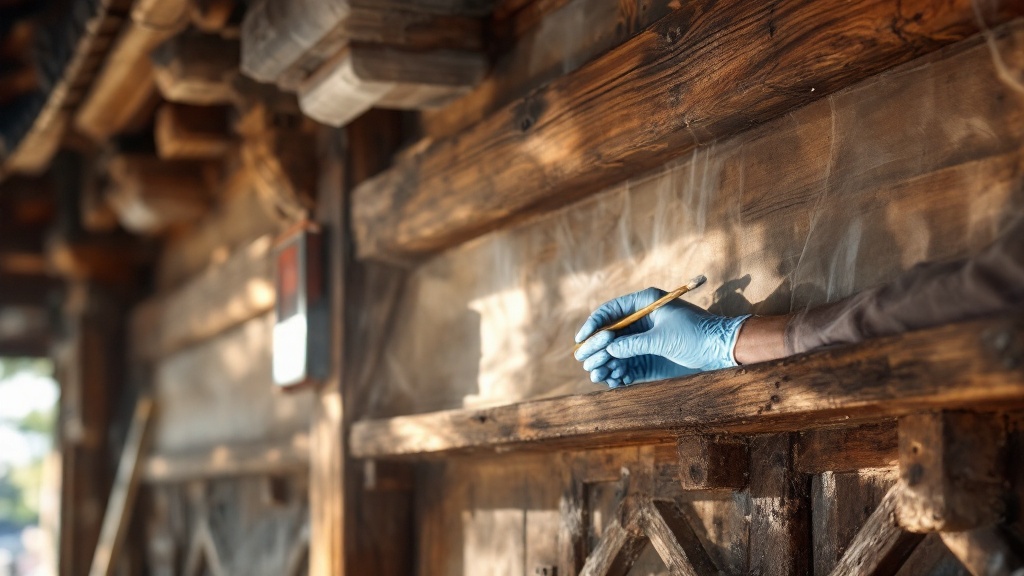
Physical restoration of Important Cultural Properties represents the largest investment category, ranging from ¥50 million to over ¥200 million. These projects often extend over multiple years and require Agency for Cultural Affairs approval, specialized traditional materials, and artisans certified in designated preservation techniques.
AI-driven knowledge capture for intangible heritage is a newer category at ¥6–10 million. LIGHTz, a Tokyo-based technology SME, completed an AI knowledge capture project for Nambu ironware artisans at approximately ¥6.1 million, documenting the decision-making processes of master craftsmen through multi-modal data collection and machine learning analysis.
One cost that catches organizations off guard is ongoing digital preservation maintenance. Industry benchmarks suggest budgeting 10–20% of the initial investment annually for format migration, storage, access platform updates, and quality monitoring. A ¥10 million digital archive quietly becomes a ¥1–2 million annual commitment — indefinitely.
The Four Cost Categories You Must Budget For
Preservation budgeting experts recommend breaking project costs into four categories to avoid the gaps that derail timelines and drain reserves.
Supplies and equipment covers scanning hardware, archival-quality storage materials, environmental monitoring systems, and specialized conservation tools. For digital projects, this includes sensors, calibration targets, and backup storage infrastructure. Physical restoration projects require traditional materials — handmade washi paper, natural lacquer, mineral pigments — that often command premium prices due to limited Japanese supply chains.
Services encompasses the specialized expertise that makes preservation work possible: conservation scientists, digital processing engineers, platform developers, and traditional craft consultants. For projects requiring accredited specialists — such as work on Important Cultural Properties — service costs can represent 30–40% of the total budget.
Labor is the most consistently underestimated category. Organizations frequently fail to track the staff hours dedicated to preservation activities because outdated job descriptions do not reflect actual preservation responsibilities. A museum registrar spending 60% of their time on preservation-related tasks may be budgeted entirely under “collections management,” hiding the real cost of preservation work. Accurately tracking labor requires auditing existing time allocation before building project budgets.
Indirect costs include overhead, facility modifications for scanning or storage environments, administrative support for grant compliance, and regulatory coordination with cultural property authorities. For projects involving designated cultural properties, regulatory compliance alone — documentation, approval processes, inspection coordination — can add 10–15% to project costs.
How to Measure ROI When the Asset Is Priceless
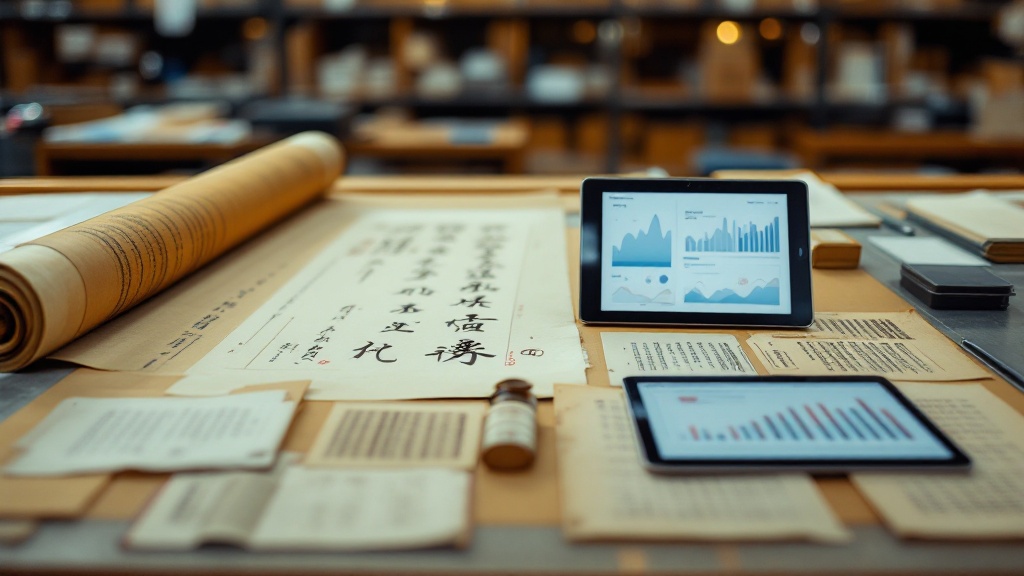
The hardest part of heritage preservation project budget planning is justifying the investment to stakeholders who expect conventional financial returns. Recent Japanese projects have produced concrete metrics that make the case significantly easier.
Direct revenue metrics offer the most straightforward ROI argument. The Aichi Museum of Ceramics’ 3D scanning project generated approximately ¥1.8 million in 3D-printed souvenir sales within the first six months — a 25% return on its ¥7.2 million investment, independent of any preservation benefit.
Tourism impact delivers returns that extend well beyond the site itself. Eiheiji Temple reported a 28% increase in preservation-focused tourism following the completion of its digital twin documentation, generating approximately ¥8.7 million in additional revenue reinvested into ongoing maintenance. With Japan’s heritage tourism market valued at over $30 billion in 2024 and growing at a 6.7% CAGR, even modest visitor increases translate into meaningful revenue.
Disaster resilience value may be the most compelling metric for stakeholders in earthquake-prone Japan. When the Kyōōgokoku-ji Temple pagoda in Kyoto suffered minor damage during the 2024 Noto Peninsula earthquake, conservators used pre-existing digital twin data to prioritize stabilization efforts — reducing post-earthquake assessment time by 40% compared to conventional methods. For cultural properties without digital documentation, even minor earthquake damage can trigger months of manual assessment.
Knowledge transfer metrics demonstrate ROI where it matters most for intangible heritage. LIGHTz’s AI knowledge capture system for Nambu ironware enabled apprentice artisans to achieve 91% accuracy in critical casting decisions, up from 63% without the system — effectively compressing years of apprenticeship into months of guided practice.
Reputation and ESG value rounds out the ROI picture. Heritage engagement strengthens brand positioning in the Japanese market, where corporate social responsibility around cultural preservation carries tangible weight. For foreign companies entering Japan, demonstrated commitment to heritage preservation signals long-term investment in the market.
Funding Sources Available in Japan
Understanding how to fund heritage preservation in Japan requires navigating a layered system of national, prefectural, and private funding mechanisms. The Agency for Cultural Affairs’ budget more than doubled to ¥106.2 billion ($689 million) in fiscal year 2024, with a further increase to ¥140 billion ($908.3 million) requested for fiscal year 2025 — signaling strong government commitment to heritage preservation investment.
| Funding Source | Typical Range | Eligibility | Best For |
|---|---|---|---|
| ACA Repair and Disaster Prevention Subsidies | Varies by property class | Owners of Important Cultural Properties, designated custodial bodies | Physical restoration, seismic reinforcement |
| Municipal Cultural Heritage Innovation Grants | ¥2–10M | SMEs with local government partnerships | Digital archiving, community heritage projects |
| Prefectural Government Programs | ¥2–5M | Regional craft and heritage organizations | Traditional craft documentation, innovation |
| Corporate Sponsorships and CSR | ¥5–50M+ | Internationally visible projects | Large-scale restoration, exhibitions |
| Japan Foundation and Private Foundations | ¥1–10M | Cultural and educational focus | Research, international collaboration |
Agency for Cultural Affairs subsidies form the backbone of preservation funding for designated properties. The Important Cultural Property repair and disaster prevention subsidy program covers substantial portions of restoration costs for designated properties, though the application process requires detailed project plans and accredited implementation partners.
Municipal cultural heritage innovation grants are increasingly accessible to SMEs that partner with local governments. As of March 2025, 45 prefectures and 194 municipalities have received national certification under cultural property utilization schemes, creating local funding channels for preservation projects that contribute to regional development.
Prefectural government programs target region-specific heritage priorities. The Iwate Traditional Craft Innovation Program, for example, supported LIGHTz’s AI knowledge capture project with approximately ¥2.1 million — demonstrating how technology-driven preservation can access traditional craft funding.
Corporate sponsorships offer significant resources for internationally visible projects, driven by CSR commitments and ESG reporting requirements. These partnerships work best when the preservation project offers brand alignment and visibility opportunities.
Japan Foundation and private cultural foundation grants target research, international collaboration, and educational initiatives. The International Course on Conservation of Japanese Paper — which attracted 165 applicants from 60 countries for its 2025 cycle — illustrates the international dimension of Japanese preservation expertise that foundations actively support.
To explore which funding pathways align with your project scope and timeline, discuss budget options with Daisho Media Partners Japan.
Budget Allocation Strategy — Where to Spend for Maximum Impact
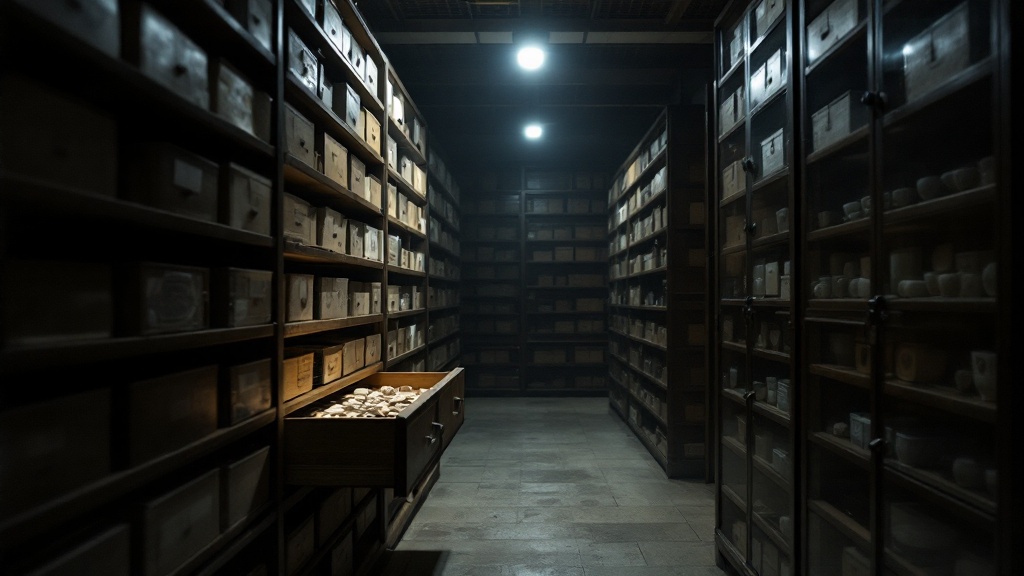
How you distribute your budget matters as much as the total amount. Industry best practice recommends allocating 70–80% of preservation budgets to preventive conservation — environmental controls, monitoring systems, proper housing, and handling procedures — and 20–30% to direct treatment of individual items or structures. Preventing damage is almost always more cost-effective than repairing it.
For digital preservation projects specifically, the critical allocation decision is balancing capture quality against long-term storage and access sustainability. Spending 90% of the budget on high-resolution scanning while neglecting metadata management and format migration planning creates what archivists call “digital dark archives” — technically preserved but practically inaccessible collections.
A Japan-specific budget factor that foreign organizations frequently overlook is the premium pricing for specialized traditional materials and techniques. Handmade washi paper, natural urushi lacquer, and mineral pigments sourced through designated suppliers can cost five to ten times more than synthetic alternatives — and substitutes are often unacceptable for designated cultural properties.
Phased implementation reduces risk and strengthens the case for continued investment. Start with a focused pilot project that proves value — a single room’s digitization, one artisan’s knowledge capture, or a condition assessment of priority structures — then use documented results to secure larger funding for the full program. The Aichi Museum’s ¥7.2 million digitization project, for instance, demonstrated enough ROI through its souvenir program and visitor engagement metrics to justify a broader institutional digitization strategy. Organizations ready to scope a phased approach can request a project estimate from DMPJ tailored to their goals and resources.
Common Budgeting Mistakes and How to Avoid Them
Even well-intentioned preservation initiatives stumble when budgets miss foreseeable costs. Four mistakes account for the majority of budget overruns.
Underestimating labor costs by failing to track staff time dedicated to preservation is the most common error. Research shows that 57% of heritage institutions cite budget constraints as their primary barrier to preservation — but many of these organizations are already spending significantly on preservation through untracked staff hours. Before building a project budget, audit how existing staff actually spend their time. The result often reveals that the real cost gap is smaller than it appears.
Ignoring long-term digital maintenance creates a slower-moving but equally damaging problem. Organizations invest millions in digitization, then allocate nothing for the annual 10–20% maintenance costs required to keep digital assets accessible. File formats become obsolete, storage media degrades, and access platforms stop functioning — creating digital dark archives that cannot serve their preservation purpose. Budget for the full lifecycle from day one.
Over-investing in reactive restoration while under-investing in preventive monitoring reflects a natural human bias toward visible problems over invisible prevention. A ¥100 million emergency restoration triggered by undetected water damage could have been prevented by a ¥5 million environmental monitoring system installed years earlier. Shift the ratio toward prevention.
Failing to account for community engagement costs in culturally sensitive projects is particularly consequential in Japan, where heritage preservation increasingly requires meaningful collaboration with local communities, religious institutions, and traditional practitioners. These relationships take time and resources to build — skip them, and projects face resistance that no amount of technical expertise can overcome.
Heritage preservation is an investment that protects irreplaceable assets while generating measurable returns in tourism, knowledge transfer, disaster resilience, and brand reputation. DMPJ helps organizations at every budget level design preservation strategies that deliver maximum impact — from focused digital archiving pilots to comprehensive multi-year programs. Visit our Cultural Heritage Preservation page to request a project estimate tailored to your goals and resources.
Sorry, the comment form is closed at this time.