


30 Gourmet and Culinary Promotion | DMPJ
At Daisho Media Partners Japan (DMPJ), we celebrate Japan’s rich culinary heritage by promoting gastronomic experiences that connect visitors to the country’s unique flavors and traditions. With Japan welcoming 36.87 million inbound visitors in 2024 — a 47.1% increase over the prior year — and dining accounting for 21.9% of total visitor spending (approximately two trillion yen annually), the opportunity for food businesses has never been greater. Yet an estimated 70% of Japanese restaurants fail to capture any meaningful share of this demand. DMPJ bridges that gap through specialized culinary branding, multilingual storytelling, and experience design that transforms international curiosity into reservations, repeat visits, and lasting brand equity.
Explore Our Blog
Japan’s Culinary Wonders: A Deep Dive
From inbound food tourism strategies and visual storytelling ROI to pricing benchmarks and vendor selection guides — our blog delivers data-driven insights for food businesses navigating Japan’s booming culinary promotion landscape.
Our Service Offerings
1. Culinary Branding & Promotion
-
-
Strategic marketing for restaurants, chefs, and culinary brands targeting domestic and international audiences.
- Developing food-focused digital campaigns across Instagram, TikTok, and YouTube Shorts
- Social media and influencer collaborations — leveraging Japan’s ¥102.1 billion influencer market
- Restaurant branding, identity design, and multilingual positioning for inbound visitors
-
2. Food Tourism & Gastronomic Experiences
-
-
Curating immersive culinary adventures that convert international curiosity into bookings.
- Guided gourmet tours, sake tastings, and farm-to-table experiences
- Regional food trail development and seasonal ingredient programming
- Cultural food festivals, special events, and pre-trip reservation integration
-
3. Visual Storytelling for Culinary Brands
-
-
Capturing the essence of Japanese cuisine through professional media — where 65% of diners say visuals heavily influence where they eat.
- Professional food photography and videography — driving 30–70% more online orders
- Documenting traditional cooking techniques, ingredient origins, and chef stories
- Short-form video production for TikTok (220,800 avg. views), Reels, and YouTube Shorts
-
4. International Culinary Collaborations
-
-
Connecting Japanese chefs and food brands with the global industry — from trade shows to export marketing.
- Organizing cross-border chef partnerships and guest residencies
- Facilitating international food trade shows and distributor introductions
- Developing fusion cuisine projects and cross-cultural brand campaigns
-
5. Sustainable Culinary Practices
-
-
Promoting eco-conscious dining and sustainable food sourcing — where authentic storytelling predicts 45% of purchase intent.
- Advocating for ethical food sourcing and supply chain transparency
- Consulting on food waste reduction and ESG-aligned brand positioning
- Supporting sustainable seafood, organic farming, and government grant programs
-
The Market Opportunity
Japan sits at the epicenter of global culinary tourism — and the numbers tell the story. Food businesses that invest in strategic culinary promotion are capturing disproportionate share of a market growing at double-digit rates.
36.87 Million
-
-
Inbound visitors to Japan in 2024 — a 47.1% year-over-year increase, surpassing the pre-pandemic record. The government targets 60 million visitors by 2030.
-
¥2 Trillion
-
-
Annual inbound dining expenditure — 21.9% of total visitor spending. Visitors spend approximately ¥50,000 per person on dining, making food a primary travel motivation.
-
279.6% Growth
-
-
Restaurant reservations since 2019 — with international bookings at 1.9× pre-pandemic levels. Japan’s culinary tourism market is projected to reach $1.84 billion by 2030 (20.7% CAGR).
-
Why Choose DMPJ for Culinary Promotion?
- Deep Expertise in Japanese Food Culture: Extensive knowledge of regional culinary traditions across all 47 prefectures — from Hokkaido’s dairy and seafood heritage to Kyushu’s fermented specialties. We understand seasonal ingredient cycles, washoku philosophy (UNESCO Intangible Cultural Heritage since 2013), and the cultural nuances that turn a product description into a compelling brand narrative.
- Strategic Industry Connections: Strong partnerships with top chefs, food brands, tourism boards, and international distributors. We facilitate introductions across Japan’s ¥102.1 billion influencer ecosystem, JETRO’s JFOODO division, and global trade shows — opening doors that generic agencies cannot access.
- Creative Culinary Storytelling: Utilizing professional photography (proven to drive 30–70% more online orders), short-form video optimized for TikTok and Instagram Reels, and origin narratives that research shows predict up to 45% of consumer purchase intent. We don’t just make food look good — we make audiences understand why it matters.
- Bilingual & Bicultural Fluency: Native-level English–Japanese capability across strategy, content production, and stakeholder management. We translate not just language but cultural context — helping Japanese food businesses resonate with international audiences and global brands navigate Japan’s business norms.
- Commitment to Sustainable Practices: Supporting ethical food sourcing, supply chain transparency, and ESG-aligned brand positioning. With 78% of consumers willing to pay more for products marketed as natural, we help food brands articulate sustainability stories that drive premium pricing and lasting brand loyalty.
Our Approach
01 Understanding Cultural & Regional Food Traditions
Deep research into local cuisines, seasonal ingredients, and heritage — covering the distinct culinary identities of every region from Hokkaido to Okinawa.
02 Developing Unique Culinary Concepts
Creating data-driven promotion strategies informed by market analytics, platform benchmarks, and competitive positioning across domestic and international channels.
03 Collaborating with Culinary Experts
Partnering with chefs, food producers, influencers, tourism boards, and international distributors to build campaigns backed by genuine industry relationships.
04 Delivering Authentic & Engaging Content
Professional food photography, short-form video for TikTok and Reels, bilingual brand narratives, and origin storytelling that drives measurable engagement.
05 Monitoring Trends & Adapting Strategies
Tracking reservation volume, engagement rates, international guest ratios, and per-cover economics — iterating monthly to scale what works.
Five Pillars of Modern Culinary Promotion
Culinary promotion is a specialized discipline at the crossroads of brand strategy, cultural storytelling, food tourism, and experience design. Unlike standard advertising, it builds narratives that attract the right audiences, command premium positioning, and create durable brand equity.
Culinary Branding
-
-
Establishes recognition and trust across markets. Brand identity, positioning, messaging, and visual systems tailored to both Japanese and international audiences. The foundation — without a coherent brand, every other sub-service performs below potential.
-
Food Tourism
-
-
Connects food businesses to tourism spending flows. Destination marketing, food trails, and experiential dining programs that transform a restaurant meal or farm visit into a bookable, repeatable tourism product optimized for visitor satisfaction and review generation.
-
Visual Storytelling
-
-
Drives discovery — 65% of diners say visuals heavily influence where they eat. Professional photography, videography, and documentary content. Restaurants with professional photos receive 30–70% more online orders; video-first strategies deliver 2–3× faster audience growth.
-
International Collaboration
-
-
Opens distribution channels and raises global profile. Chef partnerships, cross-border trade shows, and export marketing. Japanese miso exports hit a record 23,497 tons in 2024, with the UK market alone growing 141% — demonstrating surging international appetite for Japanese ingredients.
-
Sustainable Practices
-
-
Builds loyalty with ethically conscious consumers. ESG-aligned sourcing communication and supply chain transparency. Research shows sustainable brand storytelling predicts 45% of purchase intent variance — one of the single most powerful levers for food brands targeting premium markets.
-

Industries We Serve
Restaurants & Hospitality
Food & Beverage Brands
Tourism & Travel Agencies
Media & Advertising Firms
Sustainability Advocates
Regional Food Producers & Exporters
Latest Insights on Gourmet And Culinary Promotion
What Is Culinary Promotion? A Primer for Food B…
Discover what culinary promotion is and why it matters for food businesses in Japan. Five key pillar
How to Build an Inbound Food Tourism Marketing …
A 5-step playbook to build an inbound food tourism marketing strategy for Japan in 2026 — covering r
In-House vs. Agency: Should You Outsource Your …
Compare the pros and cons of in-house vs agency food marketing in Japan. Budget data, hybrid models,
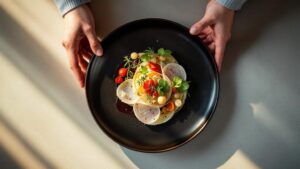
How Much Does Culinary Promotion Cost in Japan?…
Culinary promotion cost in Japan: food photography, influencer pricing, retainer fees, and ROI bench
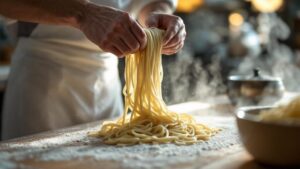
Visual Storytelling for Japanese Food Brands: H…
How visual storytelling drives growth for Japanese food brands — food photography ROI, video benchma
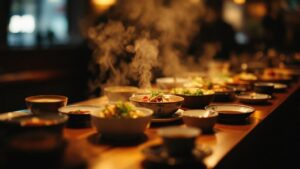
How to Choose a Culinary Promotion Partner in J…
A structured buyer’s guide with 5 evaluation criteria and a scoring checklist for choosing the best
Our Projects
Sorry, no posts matched your criteria.
Frequently Asked Questions
What is culinary promotion, and how is it different from restaurant advertising?
Culinary promotion is a specialized discipline that combines cultural storytelling, brand positioning, food tourism design, and experience marketing into a coherent system. Unlike standard advertising that pushes short-term offers, culinary promotion builds narratives that attract the right audiences, command premium pricing, and create durable brand equity over months and years.
Who benefits most from culinary promotion services?
Independent restaurants seeking inbound tourist traffic, regional food producers with compelling origin stories, F&B brands planning export (Japanese miso exports alone hit a record 23,497 tons in 2024), tourism operators designing food-centered itineraries, and sustainability-focused organizations building supply chain transparency narratives.
How long before we see measurable results?
Visual content investments typically pay back within 3–6 months. Well-targeted influencer campaigns break even in 1–3 months. Comprehensive retainers take 3–6 months as strategic benefits compound. International collaboration and export-oriented campaigns may take 6–12 months. We set realistic timelines upfront and track key metrics monthly.
What does a typical engagement cost?
Comprehensive culinary promotion retainers range from ¥200,000–¥500,000 per month, covering strategy, content creation, and platform management. We also offer focused project engagements — from professional photography sessions (¥100,000–¥400,000 per project) to international positioning projects (¥200,000–¥800,000). Pilot projects of 1–3 months with defined deliverables are available for businesses new to culinary promotion.
Why choose a specialized culinary promotion agency over a general marketing firm?
Generalist agencies can produce attractive food photography, but they typically lack the subject-matter expertise to advise on seasonal menu positioning for international audiences, cultural nuances of washoku storytelling, or food traceability narratives that resonate across borders. Culinary promotion specialists also maintain industry-specific networks — chefs, food writers, tourism boards, trade show organizers — accumulated over years of focused work in the food industry.
Do you serve businesses outside Japan?
Yes. Our bilingual team works with international food brands entering the Japanese market and Japanese brands expanding abroad. We offer native-level English–Japanese capability across strategy, content production, and cross-cultural stakeholder management.
Elevate your culinary brand with immersive food experiences and expert storytelling — in a market where dining drives ¥2 trillion in annual visitor spending.
Get in Touch
CONTACT US